
Adding beauty
is in our nature.
Adding beauty
is in our nature.
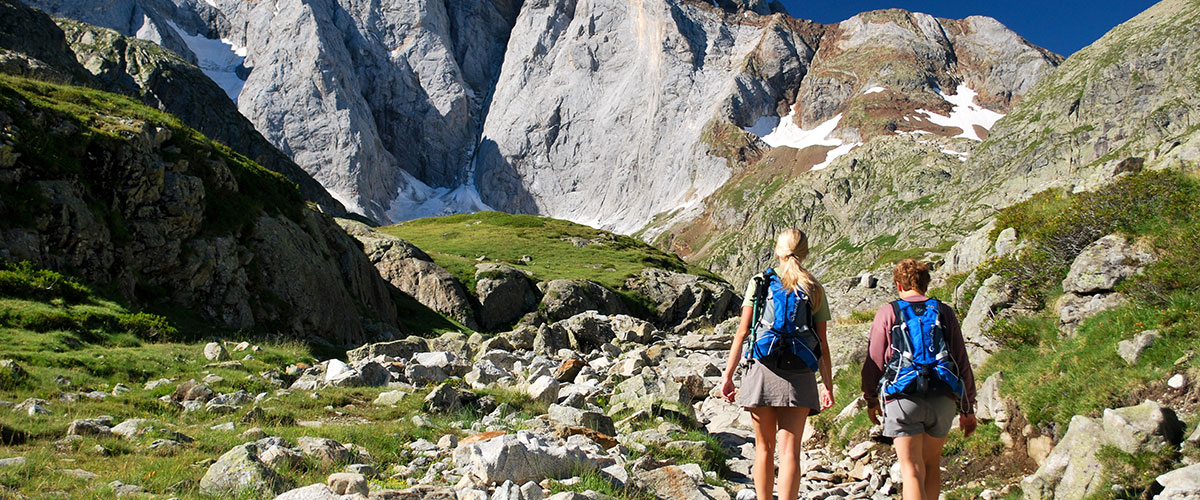
 En trail, l’alimentation est capitale, et ce d’autant plus que l'effort est long.
Une importance bien souvent sous-estimée : les troubles digestifs sont en effet, l’une des premières causes d’abandon en trail.
En fonction de la durée de l’effort, un équilibre doit être trouvé, avant et pendant la course, pour bien se nourrir, maintenir les apports en eau et en énergie tout en préservant sa santé digestive.
Un enjeu qui mérite largement une bonne préparation et une bonne gestion en course !
Mais d'abord, pourquoi des troubles digestifs lors d'un trail ?
Tout simplement, parce qu'un effort long perturbe le fonctionnement digestif : le corps redirige le sang vers les muscles afin de leur fournir un maximum d'oxygène, si bien que le flux sanguin qui normalement irrigue le système digestif, est fortement diminué. Ceci, ajouté au stress, aux impacts de course, amène des douleurs gastriques, voire des nausées et des vomissements.
Il est tout de même trop dommage de gâcher le plaisir d'une course, bien préparée physiquement, à cause de maux de ventre !
Eat well in the week leading up to the race
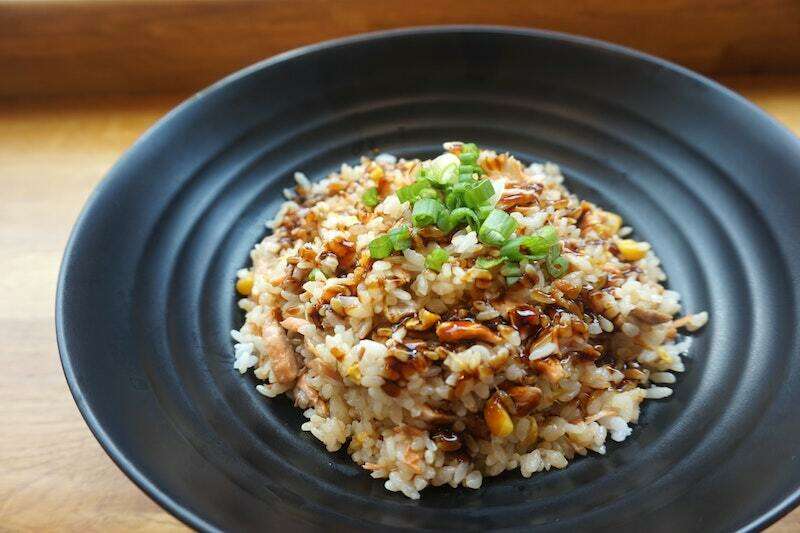
Augmenter ses réserves en glycogène, premier carburant du muscle, par un régime riche en féculents (pâtes, riz, pain…..) à partir de J-3. Les coureurs confirmés précèdent cette charge glucidique d’une période de décharge en glycogène (J-6 à J-3), par un exercice prolongé. La recharge est ainsi « boostée » par surcompensation, si bien que les capacités de stockage de glycogène peuvent être multipliées par 5.
Eviter les allergènes, au minimum pendant la semaine qui précède la course : lactose (lait et dérivés), le gluten (blé, seigle, avoine orge…).
Proper hydration is key during a race...
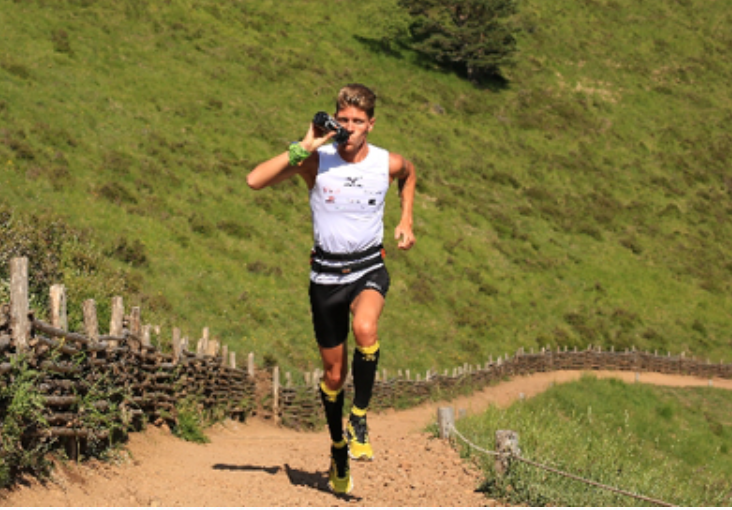 Trail running drinks contain mineral salts, but also carbohydrates and glutamine to protect the intestinal and immune systems that are disrupted during exercise.
A minima, il faut boire 500ml de boisson énergétique par heure, à raison de 2 à 3 gorgées toutes les 10min.
The aim is to compensate for the loss of water and minerals, particularly sodium, caused by sweating, while preserving digestive comfort.
...And good nutrition
Les gels énergétiques sont incontournables, et suffisants pour les trails courts (2-3h) : très digestibles, concentrés en substances énergétiques (glucides courts et maltodextrine, minéraux, vitamines) et faciles d’emploi.
Le consensus est d’avaler 1 à 2 gels courte distance par heure (soit 20 à 40g de glucides) pour 2 heures de course. Au-delà, on passe à 3 gels par heure, en incorporant également des antioxydants (Vitamine C et E, zinc) et des acides aminés pour lutter contre la fatigue des fibres musculaires.
Attention à ne pas en surconsommer : l’excès de glucides provoque une fermentation intestinale source de ballonnement, inconfort digestif et accélération du transit.
 Les barres énergétiques (1 toutes les 3 heures) sont un complément utile en apportant d’autres nutriments, un autre goût, et une réconfortante sensation de mastication. A consommer en marchant plutôt qu’en courant, suivi d’une gorgée d’eau ou de boisson énergétique dans les 15-20min suivantes, pour faciliter la digestion.
Aux ravitaillements sur trail long, de vrais aliments sont conseillés tant pour leur apport physiologique que psychologique : c’est la « nutrition organoleptique ».
Sucré : banane, compote, pâte d’amande, noix et noisettes, biscuits, pain d’épice... Salé : boulettes de riz, patate douce, purée de noisette, soupes à diluer, voire viande séchée.
N'hésitez pas à séjourner au Chalet La Source pour préparer ou pratiquer vos trails. Et bonnes courses à tous !

