
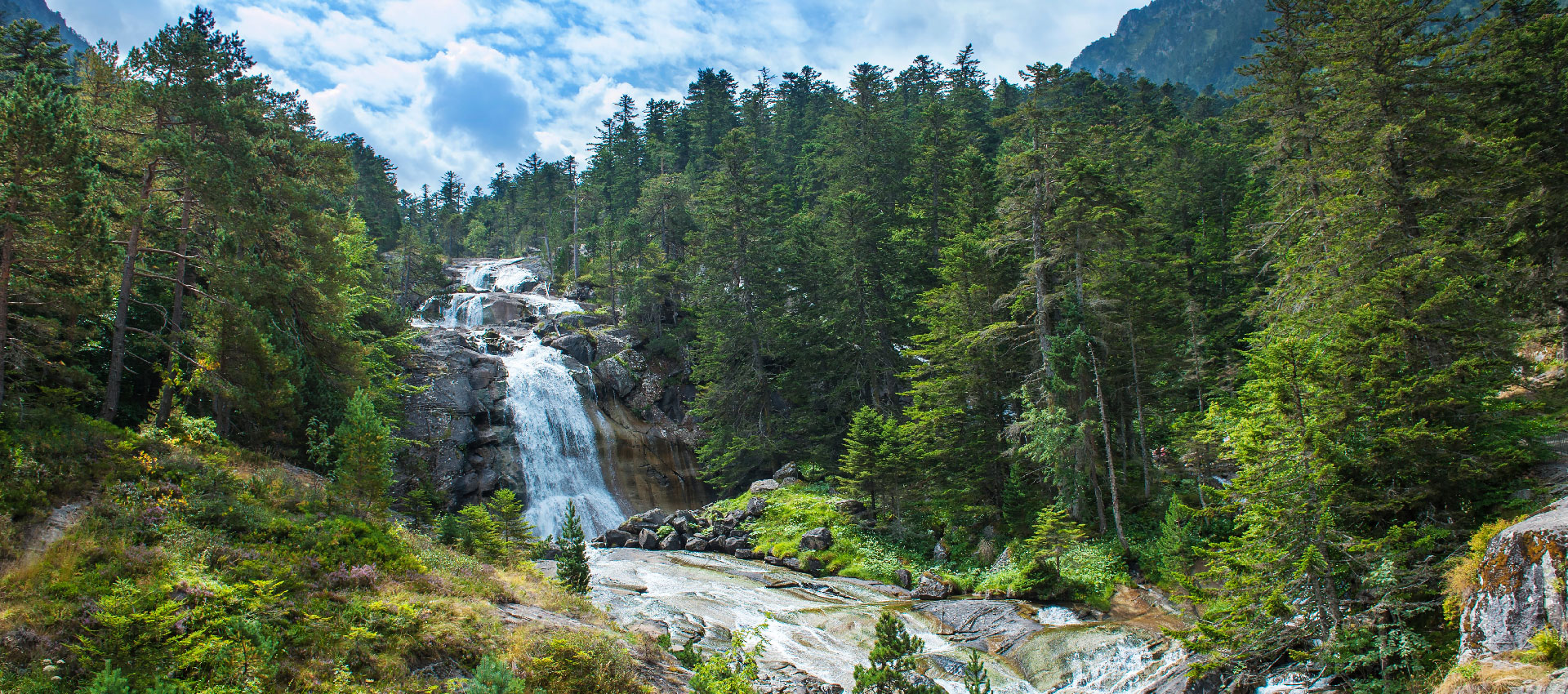

Both grandiose and intimate, the Pont d’Espagne, this “Little Canada”
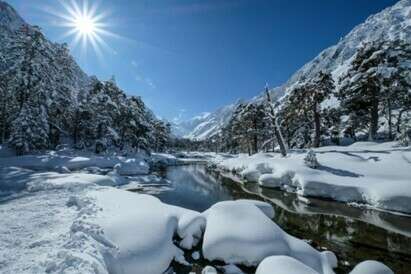 In the heart of the National Park, classified as a Grand Site of Occitanie, the Pont d'Espagne is among the most beautiful natural sites in the Pyrenees.
Rayonnant de lumière en été, cristallin et feutré l’hiver, rythmé de cascades et de gaves étincelants, dans un écrin de pins centenaires et de rocs polis, il offre un spectacle vivifiant et reposant à la fois, un havre de fraîcheur où il fait bon se poser et contempler.
Ce « Petit Canada », comme on le surnomme parfois, est à dix minutes de Cauterets ! Impossible de séjourner au Chalet La Source, sans y passer au moins une journée !
Getting to Pont d'Espagne from Le Chalet La Source
On accède au Pont d’Espagne en quelques minutes par la route, soit en voiture jusqu’au parking du Puntas (payant), soit grâce à la navette de bus depuis le centre de Cauterets (horaires à l'office du Tourisme).
Les plus sportifs viendront à pied depuis le Chalet La Source, en empruntant le Chemin Demontzey jusqu’à la Raillère puis en suivant le fameux Chemin des Cascades. C’est une très belle randonnée d’environ deux heures en sous-bois, ponctuée par six magnifiques cascades.
Dans tous les cas, une fois passée l’arche du bâtiment d’accueil (altitude 1460m), point de voiture : on prend les chaussures de randonnée … ou les skis ! La montée vers le Pont d’Espagne (altitude 1500m) se fait alors par un sentier pavé, ponctué de belvédères. Le dénivelé est faible, tout juste 40m depuis le parking.
The Pont d'Espagne, magnificent in summer as well as winter
Au beau milieu de la forêt, on découvre cette magnifique arche de granit, qui relie les deux rives d'une faille rocheuse.
A près de 20 mètres en contrebas, viennent ici confluer le gave de Marcadau et le gave de Gaube. Dans cette vallée encaissée, l'eau accélère et bouillonne. Bruit de tonnerre et embruns garantis, surtout au printemps lors de la fonte !
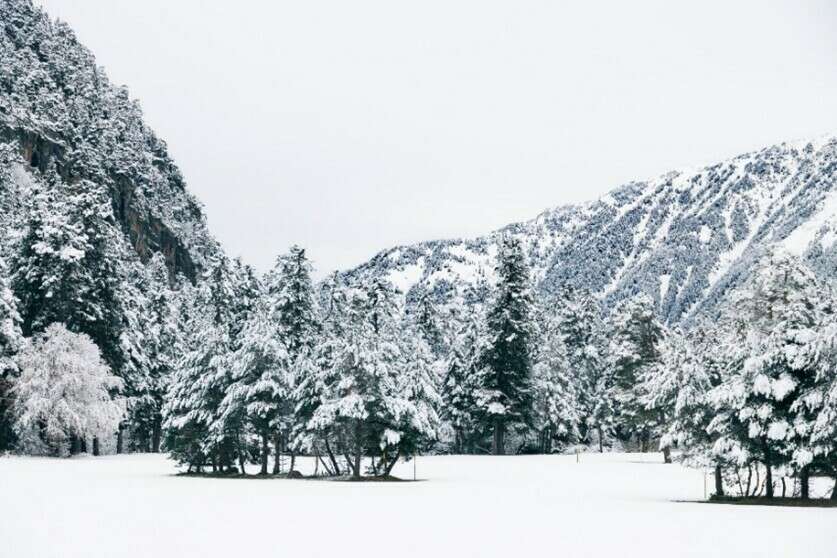
Riant en été dans le vert du sous-bois et les éclats des cascades, ce site devient comme emmitouflé en hiver ; sous la neige, les torrents se font murmure. Un véritable décor de cinéma !
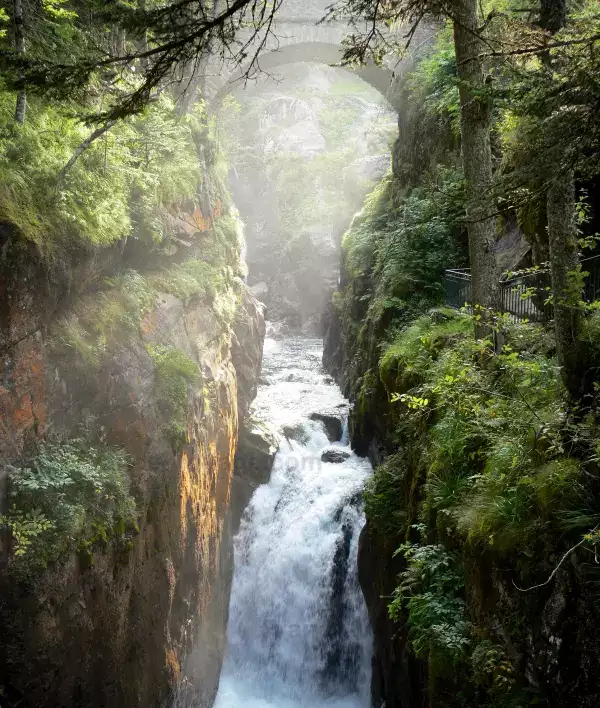
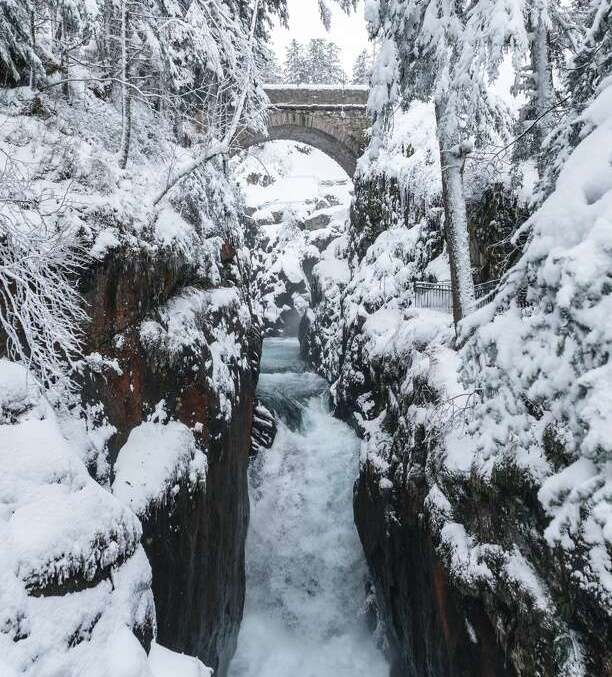
Ce pont est un haut-lieu de l'histoire des Pyrénées. Construit en 1886, il est situé sur une ancienne voie pastorale entre la France et l'Espagne ; c'était le dernier pont à traverser avant d’atteindre la frontière, d'où son nom.
Avant que la frontière ne fût définitivement tracée, il fut le théâtre de nombreux litiges territoriaux. Par la suite, vers la fin du XIXème siècle, il devint un lieu de commerce, pour le bétail notamment - Marcadau signifie « marché » en occitan.
Hospitality and Waterfalls
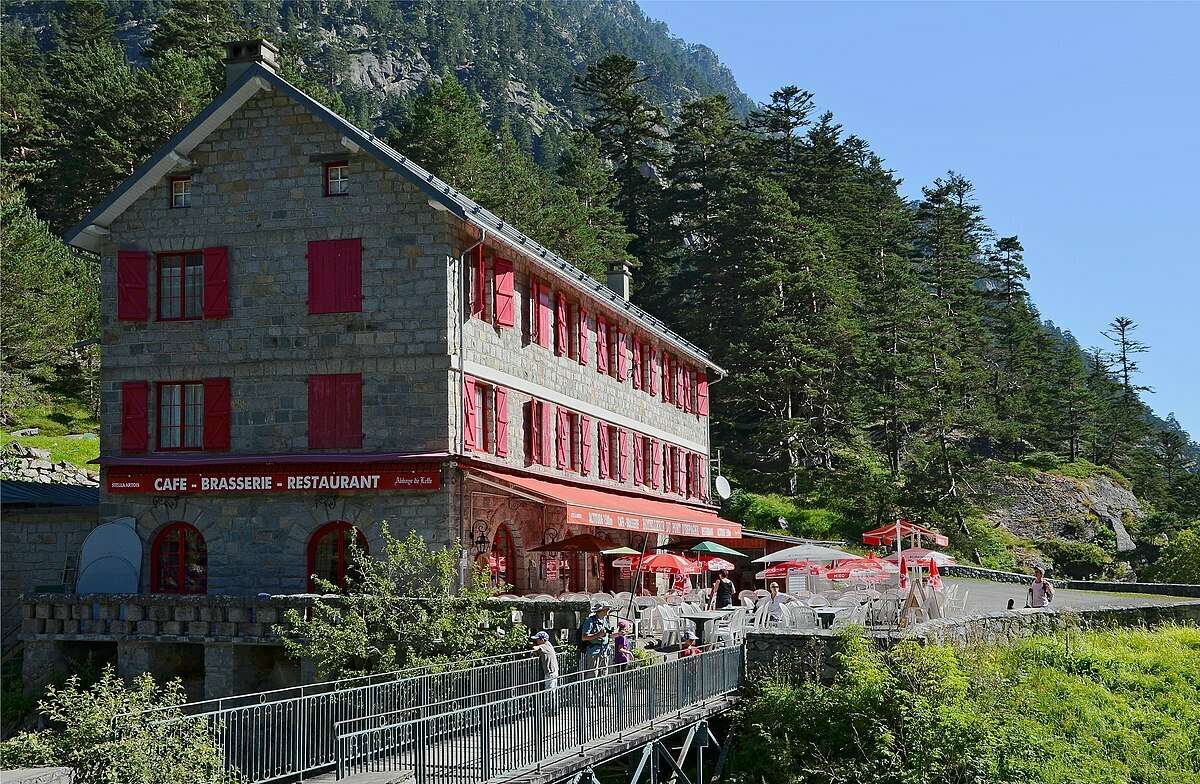 Face au pont se trouve une grande bâtisse en granit, l'Hôtellerie du Pont d'Espagne construite en 1933, alors que le tourisme thermal était bien développé.
Entouré de passerelles et belvédères, avec sa grande terrasse ensoleillée, c’est le cadre idéal pour se rafraichir, ou déjeuner après une bonne randonnée, et surtout, admirer le tumulte des gaves et les magnifiques cascades.
En amont du pont, le gave de Gaube forme deux belles cascades. La plus proche, la plus haute, sur le bras central ; elle tombe d’une dizaine de mètres en formant une belle nappe d’écume blanche.
La deuxième, plus petite, se trouve plus en amont sur la droite du gave ; si le débit n’est pas trop fort, il est possible de traverser à ce niveau pour s’approcher de la chute principale.
Victor Hugo qui affectionnait ce lieu, écrit en 1843 : « Ah ! tu veux des torrents, Parisien ! Tu veux des gaves, des cascades, des gouffres, des précipices, des émotions ! Eh bien, en voilà. Tiens, regarde, penche-toi ici, ici, et encore ici ».
A must-see for a stroll: Lake Gaube
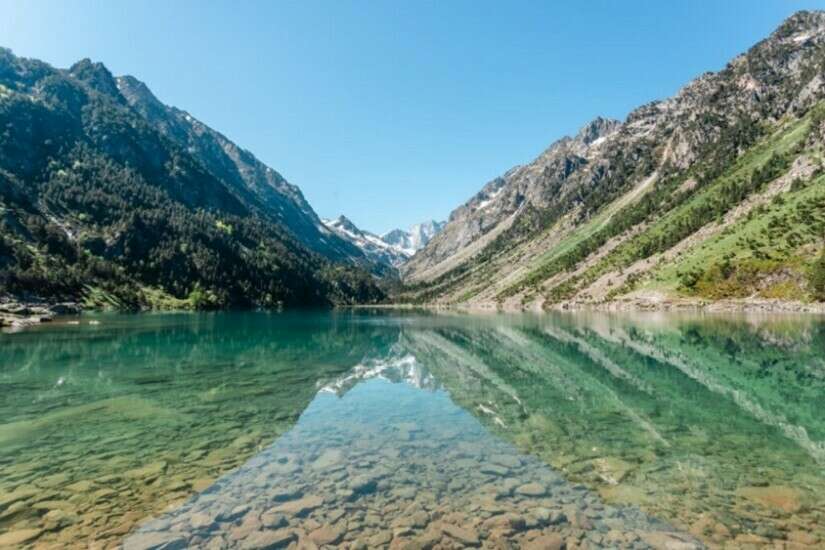 La première option de randonnée depuis le Pont d'Espagne, est de monter au lac de Gaube (altitude 1725m) par le GR10.
C’est une marche de 1h15 environ, par un sentier en sous-bois qui serpente au-dessus de la rive droite du gave.
Attention, sur la première partie, la pente est assez forte, et les marches en pierre pourront être un peu hautes pour les jeunes enfants ou les personnes âgées.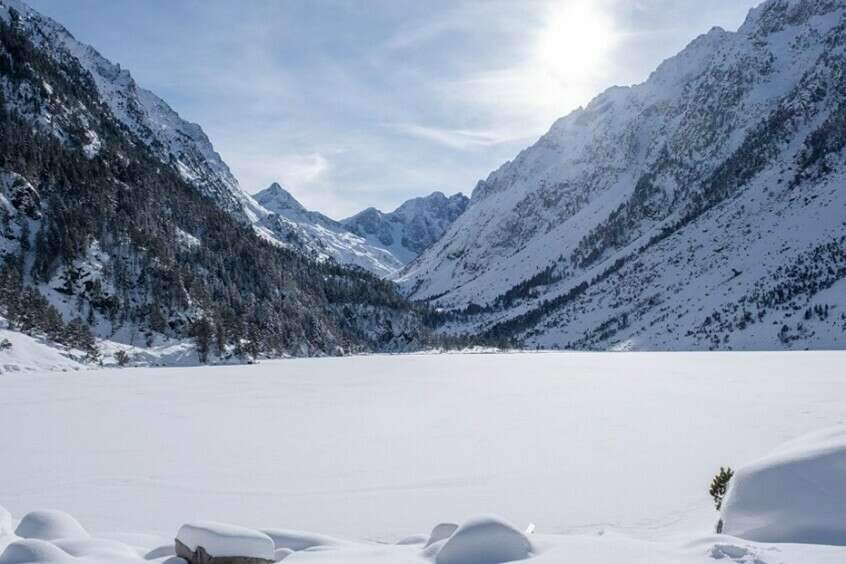 Par le GR10, le lac de Gaube apparaît dans les derniers mètres de l’ascension.
Cet immense lac glaciaire (1500 mètres de long sur 300 de large) offre une vue spectaculaire qui récompense vraiment les efforts : une eau turquoise et transparente au bord, d'un bleu profond ensuite, dans laquelle se reflètent les massifs de part et d’autre, avec le Pic du Vignemale en toile de fond.
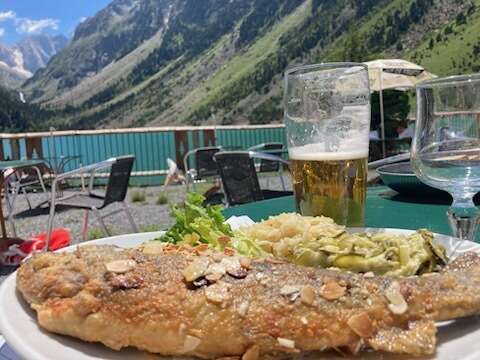 Une alternative facile pour monter au lac consiste à prendre le télésiège de Gaube, tout près de l’hôtellerie en direction du Clot. En 12 minutes, il vous dépose pratiquement à la même altitude que le lac, que l’on rejoint ensuite en un quart d'heure par un chemin qui offre une très belle vue sur la vallée de Gaube.
L’Hostellerie du Lac de Gaube (ouverte uniquement l’été), avec sa belle terrasse située face au lac, permet d'admirer ce paysage grandiose, autour d'un plat ou d'un rafraîchissement.
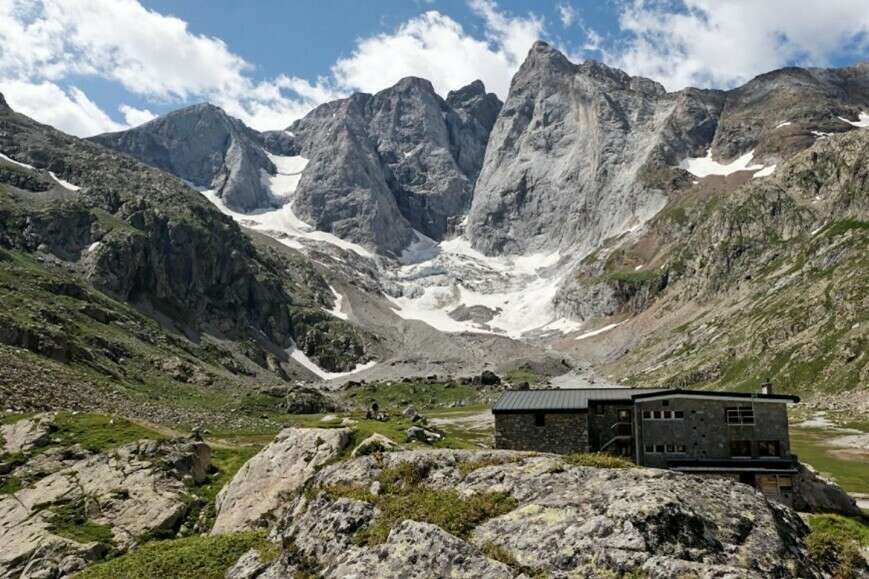 Depuis ce point, il est possible de pousser la randonnée jusqu’au refuge des Oulettes de Gaube, au pied du Pic du Vignemale : c’est une marche de 3 heures aller-retour depuis le Lac de Gaube.
Lieu de pèlerinage des Pyrénéistes, il permet d’admirer la face nord du Vignemale, Piton Carré, l’aiguille des Glaciers, Chausenque.
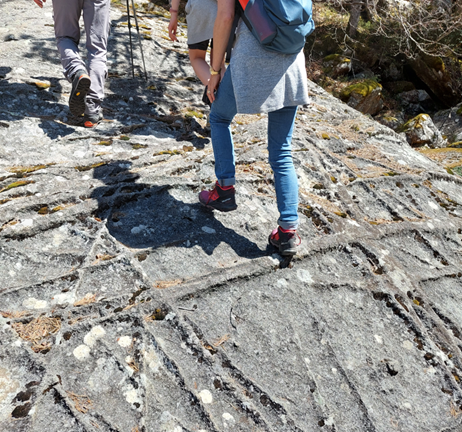 Une curiosité géologique est à voir au cours de la montée : de gros blocs de granite sont striés à leur surface, comme par des racines ou des nerfs d’un être vivant. Ceci est la conséquence de l’érosion naturelle.
Ces blocs granitiques parcourus de veines de quartz, ont été mis à l'air libre par la fonte du glacier qui les recouvrait, il y a plus de 10000 ans.
Since then, the rain has relentlessly eroded the granite but left the quartz, which is much more resistant, intact, shaping, after millennia, protrusions on the surface of the rock.
Hiking in the Marcadau Valley
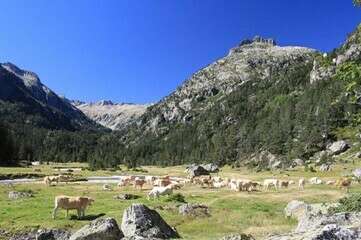 Depuis le Pont d’Espagne, un autre itinéraire consiste à remonter la vallée du Marcadau, une marche sans difficulté au départ du plateau du Clot et qui traverse le gave plusieurs fois, par des ponts en bois aux jolis noms de pont du Clot, pont de Camou, pont du Paradis...
Un refuge-bar, le Chalet du Clot, offre au début du plateau une halte plaisante sur sa terrasse panoramique.
En empruntant un sentier qui grimpe face à ce chalet, on rejoint alors le plateau du Cayan (1630m) ; le sentier traverse à nouveau le gave aux ponts de Cayan puis d’Estalounqué.
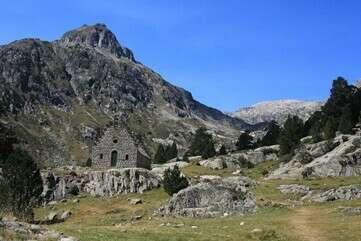
 It is a wide grassy valley where the Gave du Marcadau meanders, between the Gaube and Pic d'Arrouy massifs, closed at the bottom by a series of peaks that mark the border with Spain, including the Grande Fache which rises in the distance, at 3005m.
L’été, c’est l’endroit idéal pour pique-niquer au bord du gave, faire une petite sieste sous les pins, et observer les marmottes. En hiver, sous la neige, ce paysage grandiose devient tout simplement … magique.
En tout, il faut compter environ une heure de marche sans difficulté depuis le Pont d’Espagne. Au retour, au niveau du pont de Cayan, il sera possible d’emprunter un autre chemin – le chemin du lac du Paradis - et voir au passage de belles cascades.
 Depuis le fond du plateau de Cayan, il est possible continuer la randonnée avec deux itinéraires possibles : vers le refuge de Wallon-Marcadau (1870m) en 1h environ, ou vers les deux Lacs de l’Embarrat (2078 et 2139m) en 1h30.
Les plus aguerris pourront aussi décider de passer dans l’autre vallée en rejoignant les Oulettes de Gaube depuis le Wallon-Marcadau : c’est une randonnée de six heures environ, qui suit une partie du GR10.
The Pont d'Espagne in winter, the ideal Nordic space for families
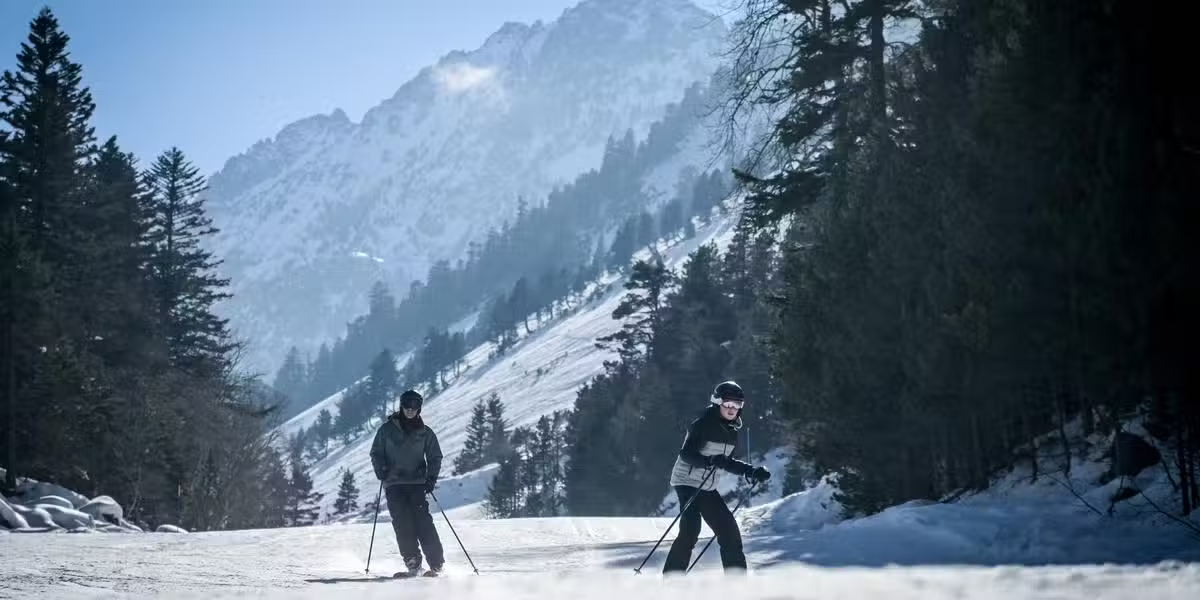 En hiver, le site du Pont d’Espagne, et se transforme en un site « tout en un » pour les activités nordiques. L'espace idéal pour s’initier ou progresser, chacun dans son activité de prédilection.
Le domaine offre en effet, 35 km de pistes de ski nordique et 6 km pour les raquettes, balisées dans la vallée de Marcadau, mais aussi 3 pistes alpines de faible difficulté sur les pentes de Gaube, et un espace luge et jeux de neige à proximité du Chalet du Clot.
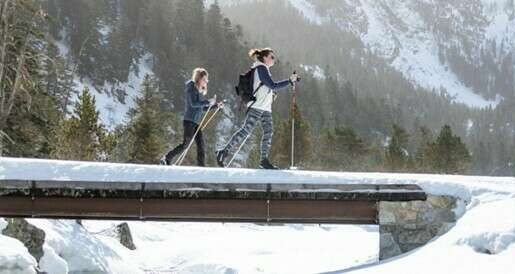 C’est le paradis des familles où la décontraction est de mise. Ici les pentes sont douces, pas de surfeurs fous et pas de stress !
Dans la même journée, on peut pratiquer le ski de fond pendant que les enfants sont à la luge au Chalet du Clot, puis après un déjeuner en terrasse, partir tous ensemble pratiquer le ski alpin ou les raquettes... tout cela, dans un site d’une beauté incomparable.
Quelle meilleur programme ?
Sur le domaine du Pont d'Espagne, il est possible de prendre des cours de ski de fond avec Elan Nordique, mais aussi de raquettes et de ski alpin débutant.
Cadre idyllique, plaisir de la randonnée et des sports nordiques, et tout simplement de partager de délicieux moments ... voici pourquoi ce site magnifique du Pont d'Espagne, à deux pas du Chalet La Source, mérite bien plus qu'un petit détour !

- Views: 2905

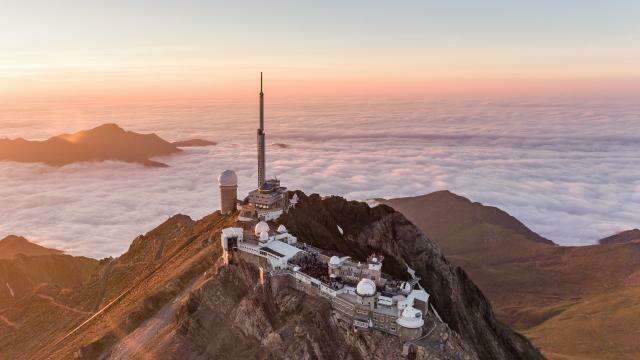 C’est au Pic du Midi de Bigorre, à 2 877 mètres d'altitude, que se trouve le plus ancien observatoire de haute montagne du monde.
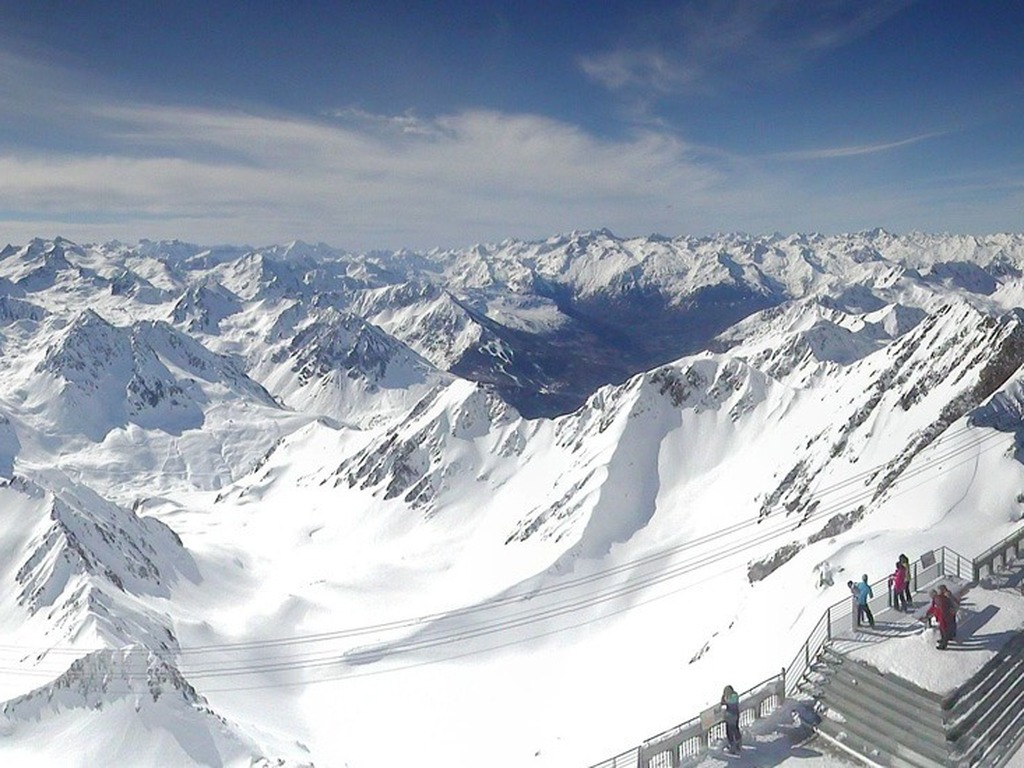 The extraordinary Pic du Midi de Bigorre
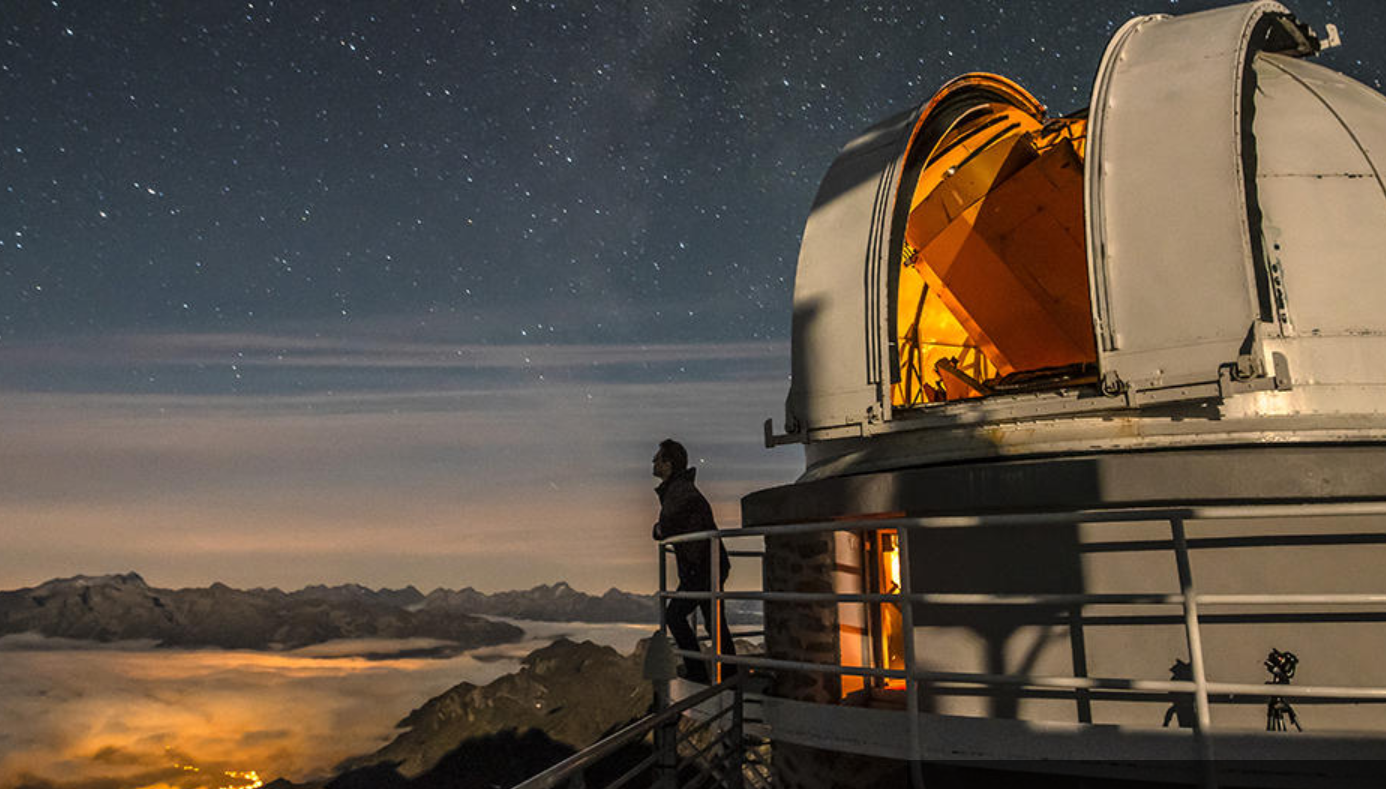 Mais aussi et surtout, le Pic du Midi de Bigorre, accueille, tout simplement, le plus vieil observatoire de haute montagne du monde.
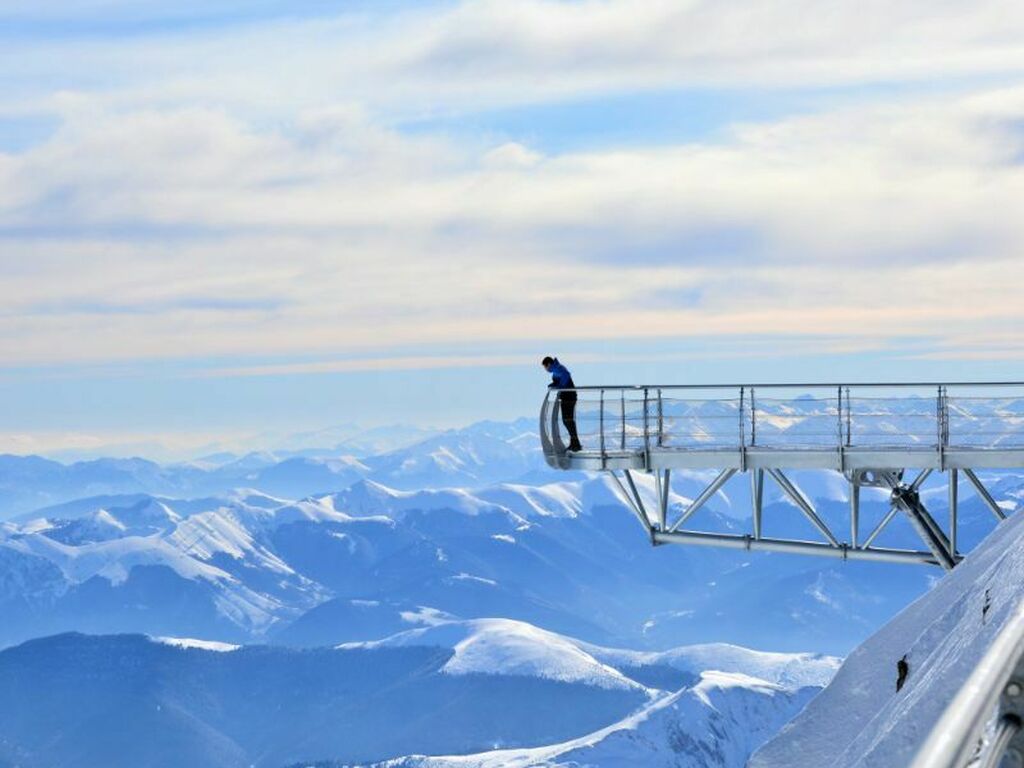
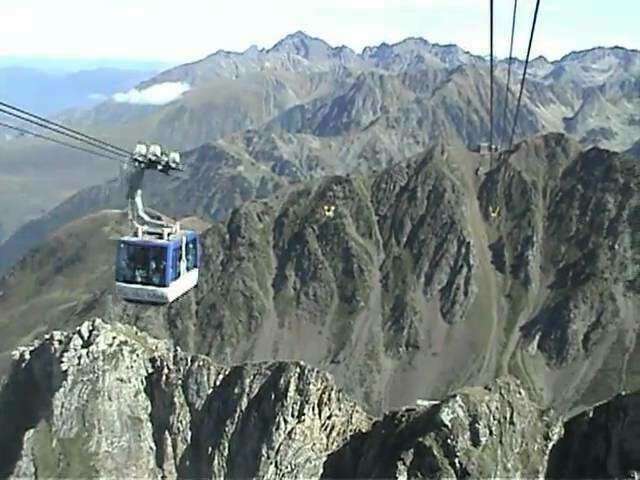 Extraordinaire, le Pic du Midi de Bigorre l'est aussi par son téléphérique vertigineux, véritablement suspendu dans le ciel. Au départ de La Mongie (1785m), la montée dure environ 15 minutes, en deux tronçons avec un arrêt au Taoulet (2341m).
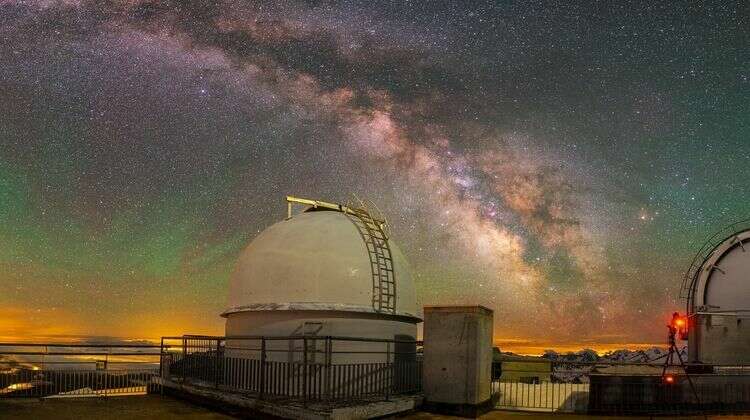 Emerveillez-vous ensuite à l’espace scientifique, un espace orné d’immenses visuels de ciels inondés d’étoiles.
 Visitez le planétarium, sous la coupole Baillaud, la plus ancienne installation astronomique de l’observatoire, installée en 1908. Dans cet espace immersif, vivez des projections de films éducatifs sur la voie lactée, les constellations, la genèse de l’univers, et sur l’histoire du Pic.
 The epic story of the Pic du Midi
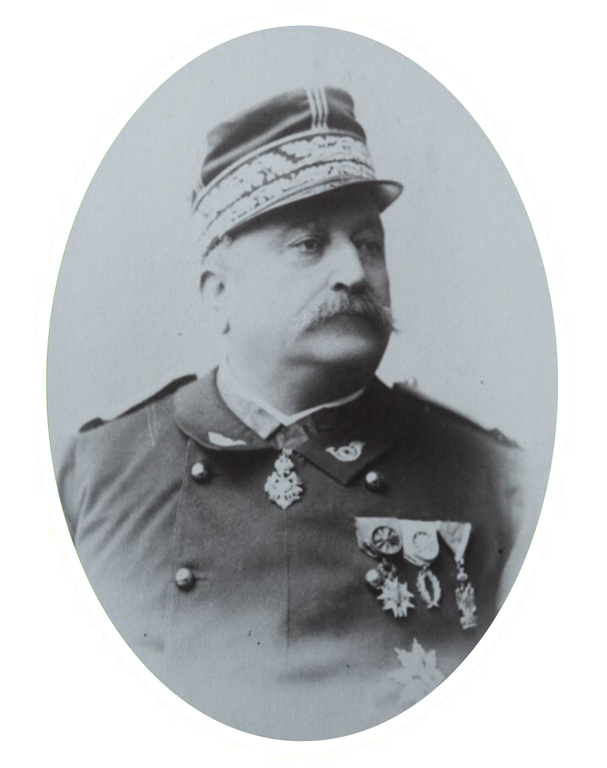
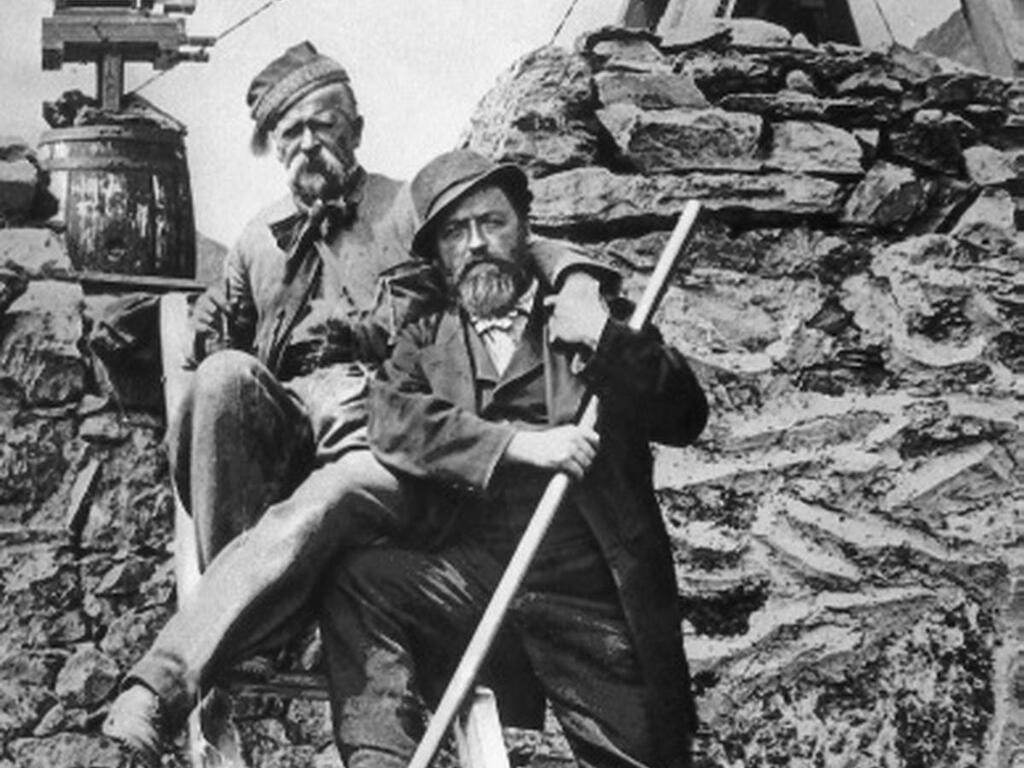 Malgré ce plébiscite, il faudra attendre 1860 pour que le projet d’observatoire renaisse, et encore près d’une vingtaine d’années supplémentaires pour que la première pierre soit posée, en 1878, sous la direction du général en retraite Charles du Bois Champion de Nansouty et de l’ingénieur Célestin-Xavier Vaussenat.
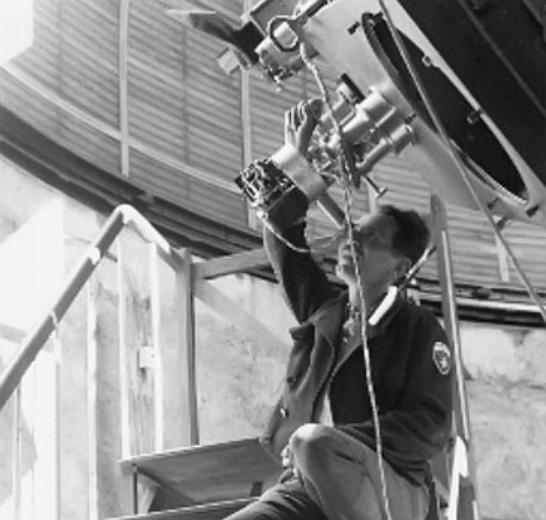 Il se modernise progressivement, et en 1907, franchit un nouveau cap avec l’installation d’un premier télescope par l’astronome Benjamin Baillaud, l'un des plus grands au monde pour l'époque avec son diamètre de 50 cm. Il permet en 1909 de démentir l'existence de canaux sur Mars, et place l'observatoire du Pic du Midi à la pointe de la recherche.
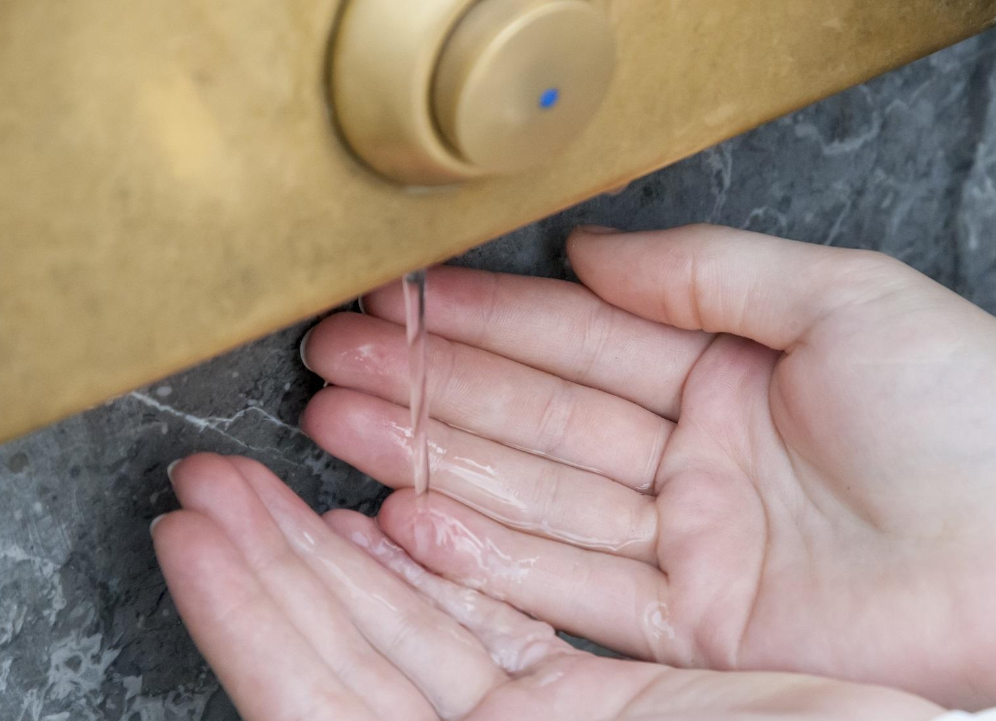 Lourdes, a historic town in Bigorre, has been a major Catholic pilgrimage site since the apparitions of the Virgin in 1858, welcoming 3 million pilgrims from all over the world each year, who come to pray at the grotto of Massabielle and make the gesture of water.
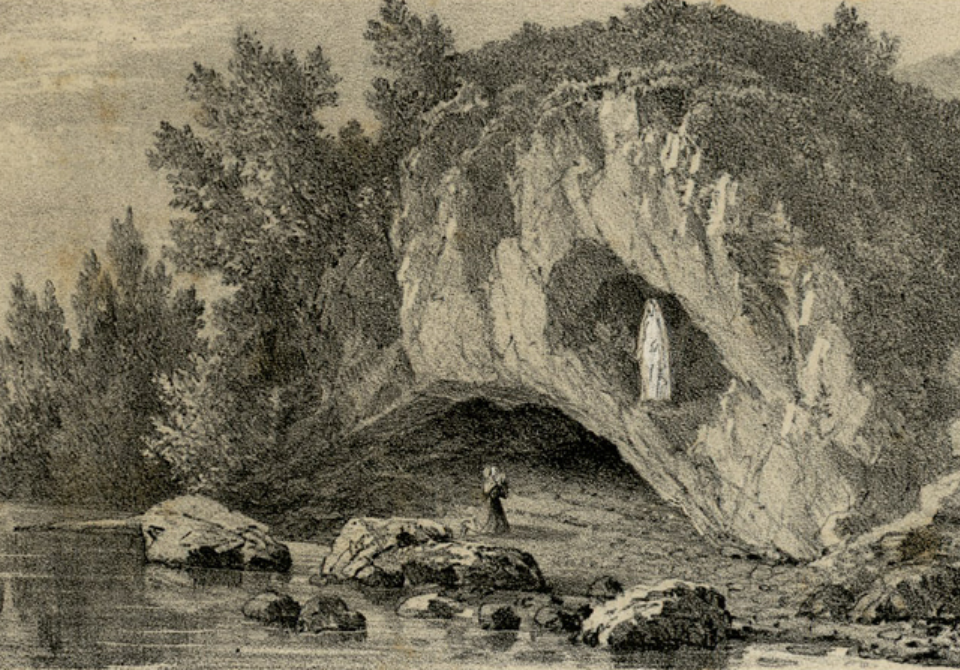 In 1858, young Bernadette Soubirous was 14 years old; very poor and in fragile health, she could neither read nor write. She lived in misery with her family in a former dungeon.
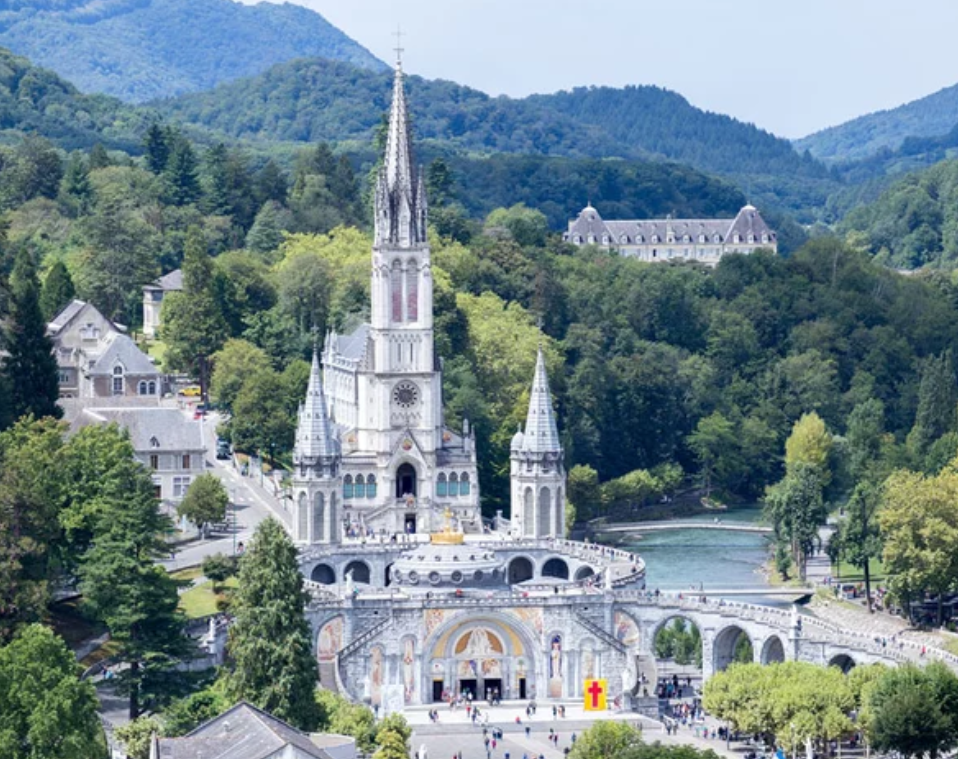 In 1862, miraculous healings were recognized by the Catholic Church, and the apparitions of "The White Lady" to Bernadette were officially recognized.
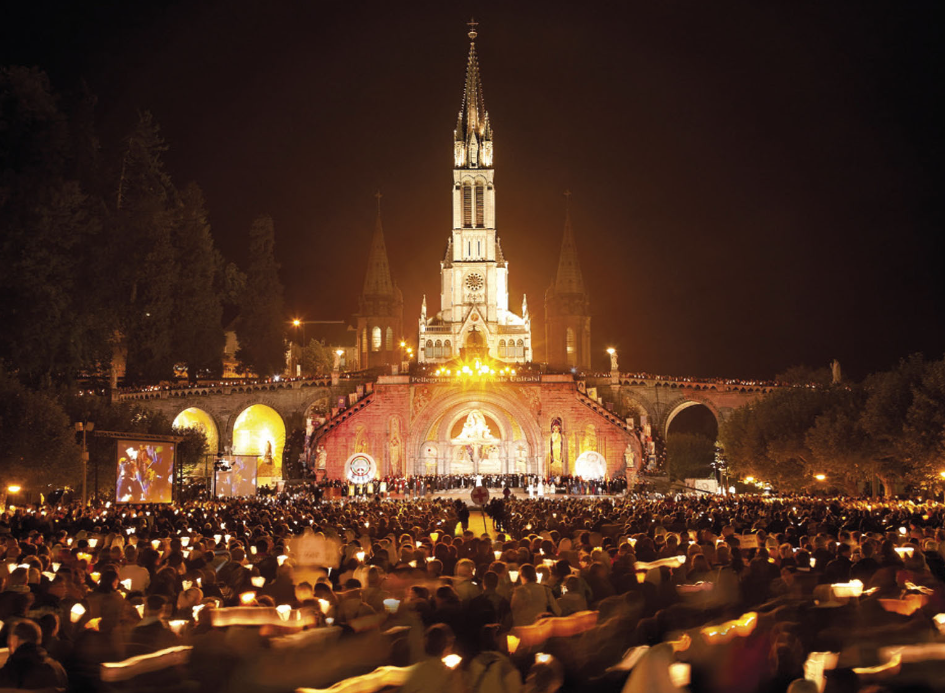 During the Nights of Lourdes, the Sanctuary is a place of highlights where thousands of pilgrims gather for torchlit processions, followed by a mass in the Basilica of Pius X.
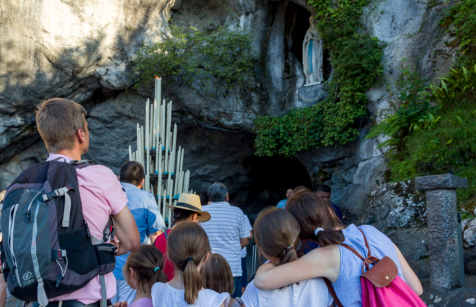 The water of Lourdes, and the gesture of water
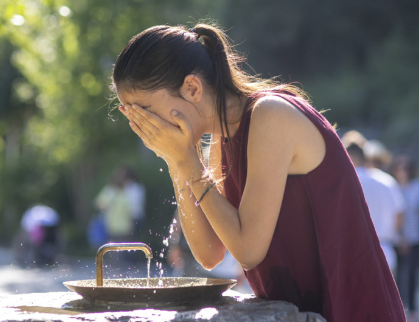 Everyone drinks water and splashes water on their face. This is called the water ritual. It is also possible to fully immerse oneself in pools managed by volunteer Hospitaliers.
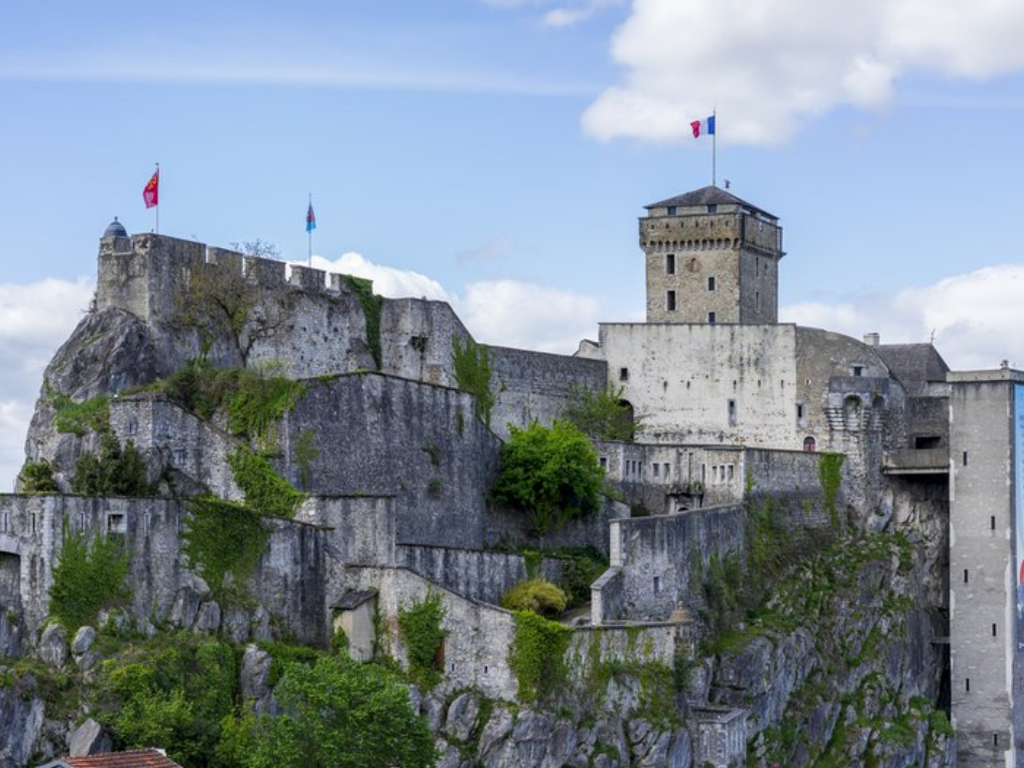 Au 8ème siècle sous le règne de Charlemagne, Roi des Francs, ce château alors nommé château de Mirambel, est occupé par les sarrasins. Charlemagne vient en faire le siège, en vain pendant des mois. Charlemagne propose alors au sultan, Mirat, de lui laisser le château en échange de sa conversion à la foi catholique. Mirat accepte et reçoit le baptême. Il choisit le nom de Lorus. Le château de Mirambel, et par extension le village, prennent le nom de « Lorda », dérivé du nom arabe, « (el) ouarda » (la rose) qui deviendra ensuite « Lourdes ».
 If the Hautes Pyrenees evoke above all the mountain and nature, they are also full of more epicurean pleasures ...
 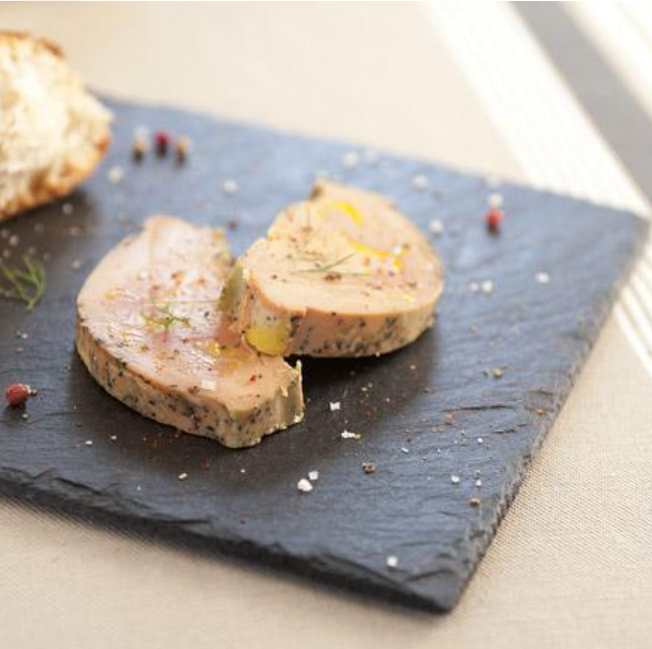 Les confits et foie gras
 La garbure
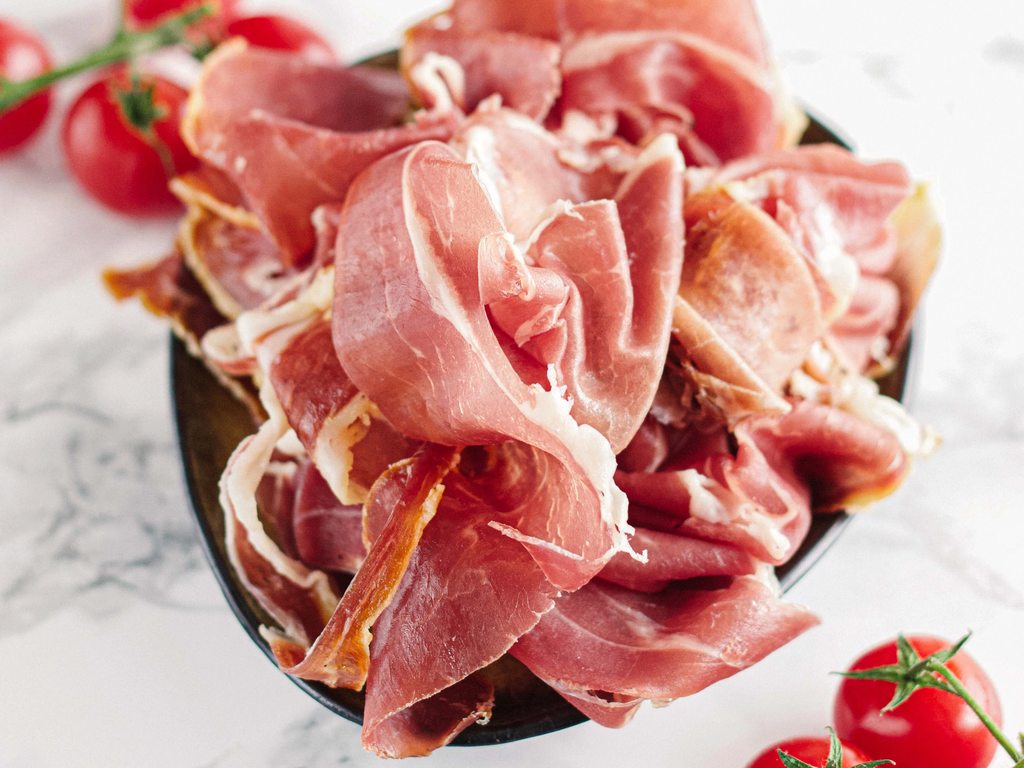 Le porc noir de Bigorre
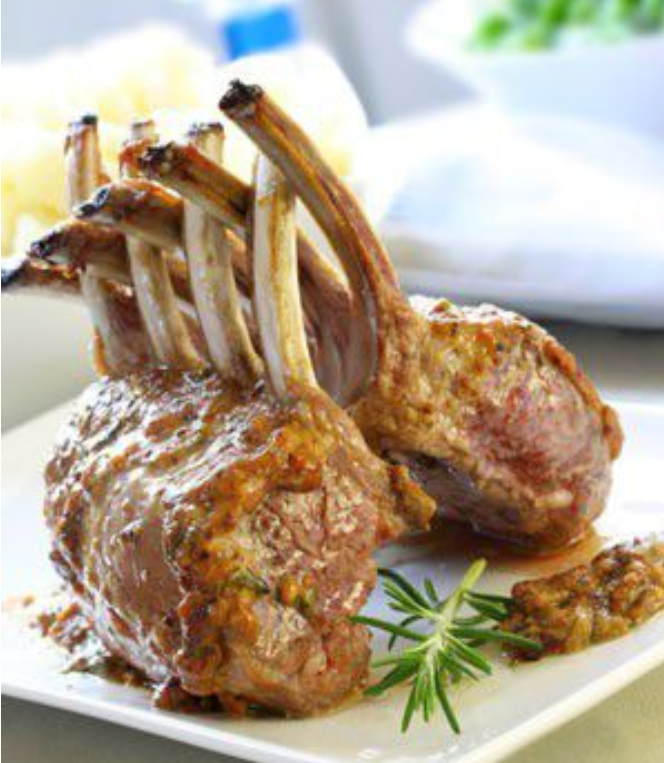 Le mouton de Barèges-Gavarnie
 La Truite des Pyrénées
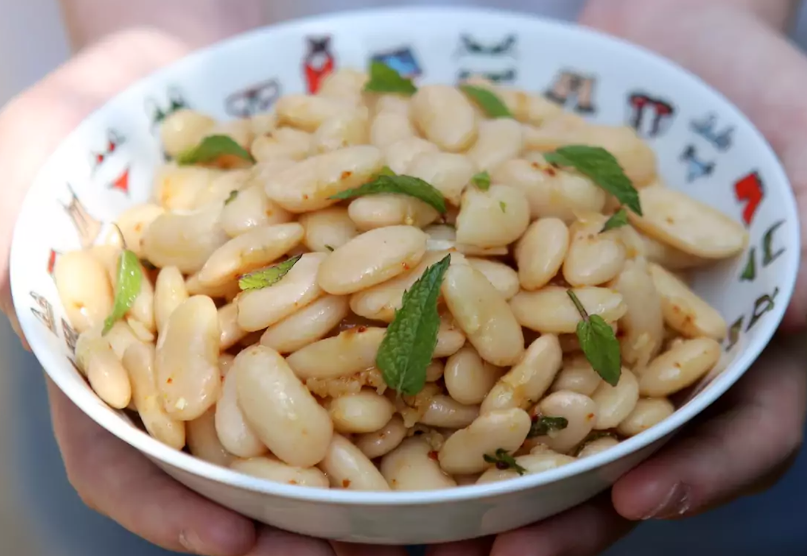 Le haricot tarbais
 L’oignon doux de Trébons
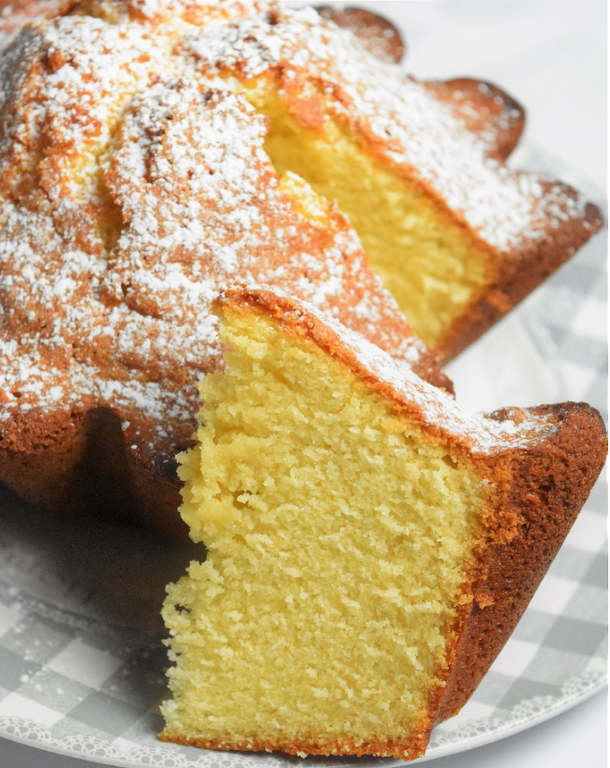 Sweet specialties
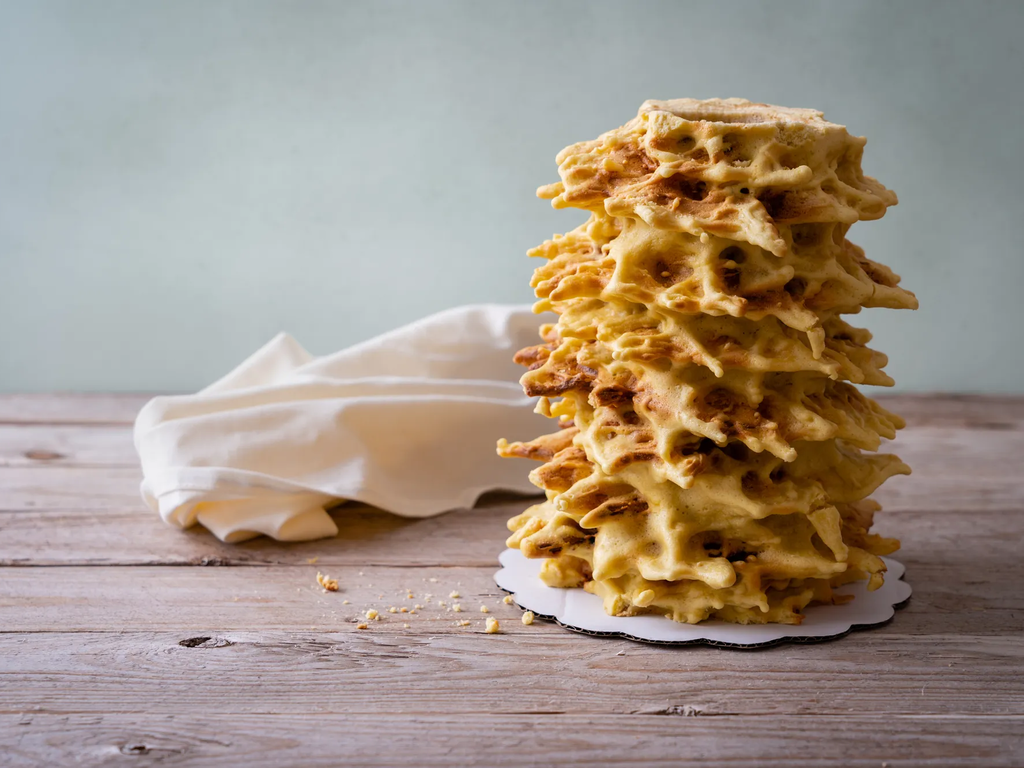 Le gâteau à la broche
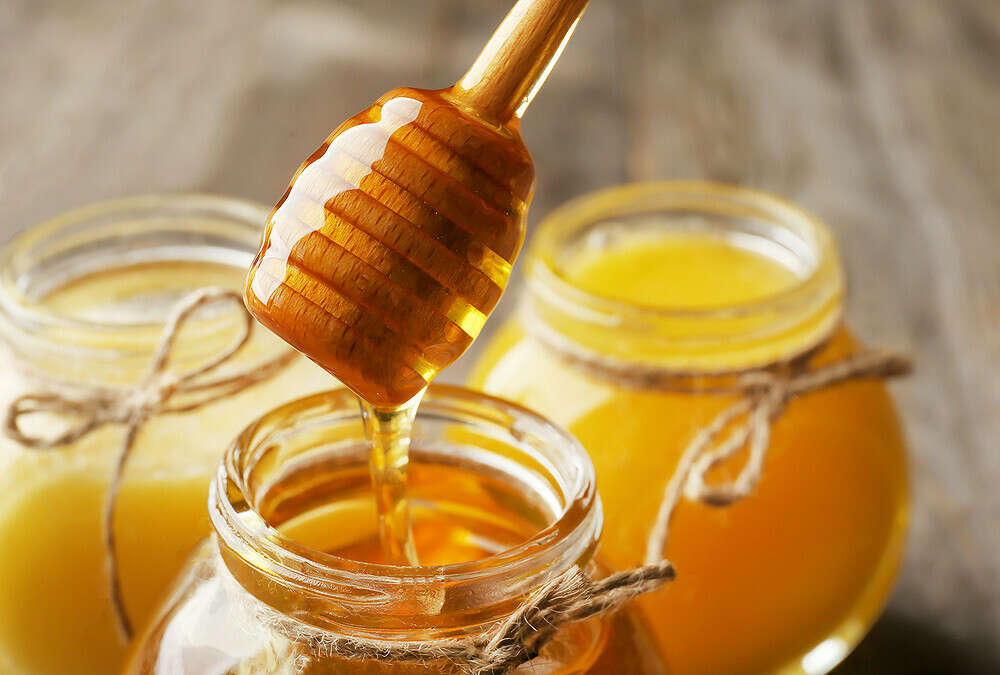 Les miels des Pyrénées
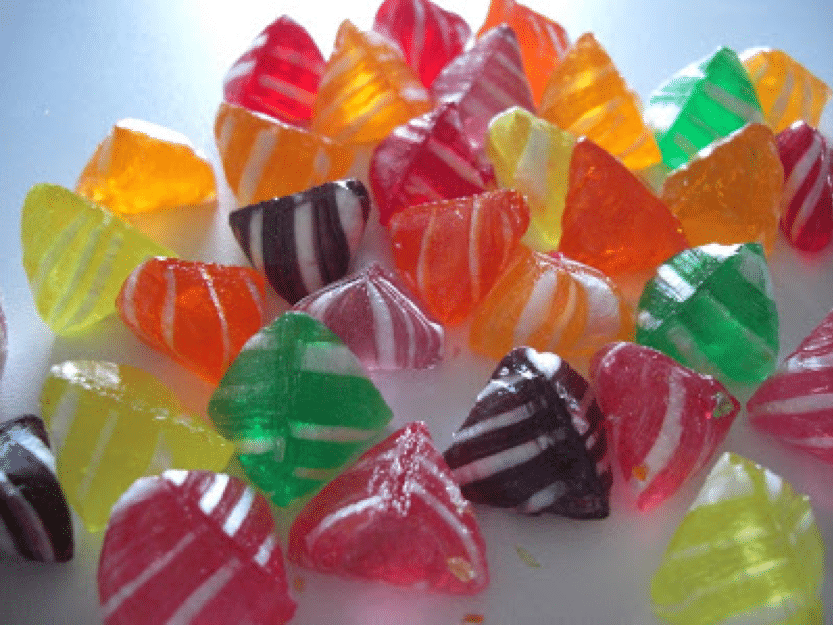 Les berlingots de Cauterets
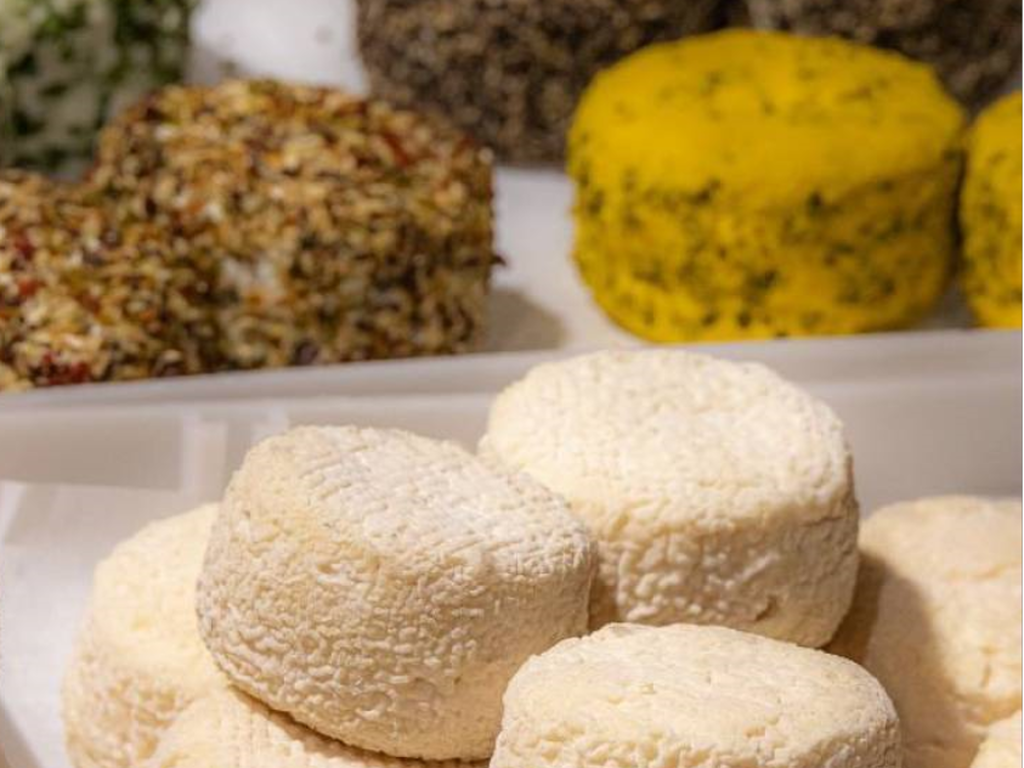 Les crottins de chèvre, frais et doux, ou sec et plus fort selon l’affinage, nature ou aux herbes aromatiques.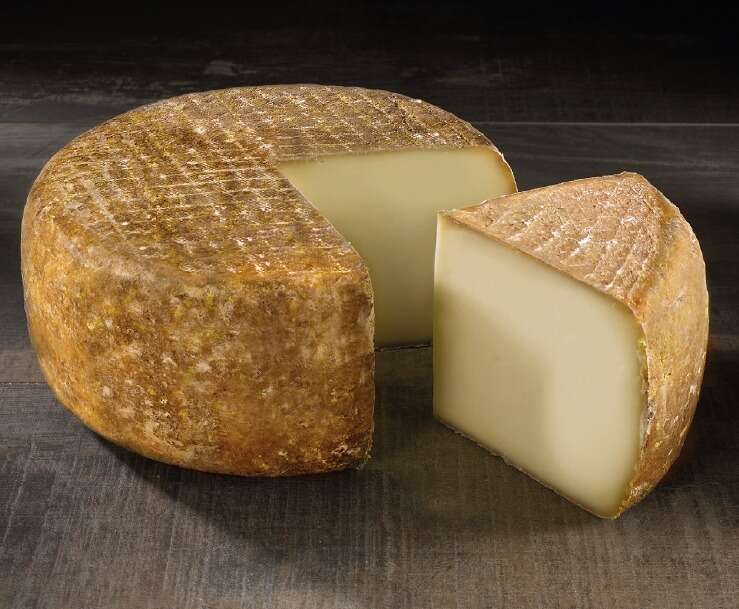
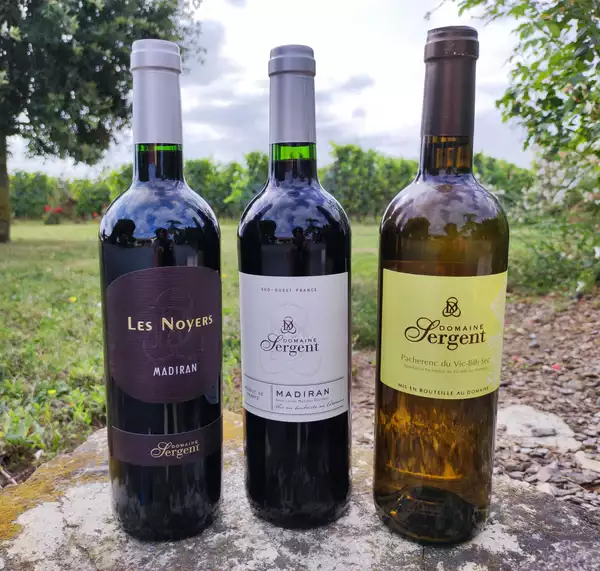 Le vin de Madiran, vin rouge tannique et corsé qui accompagne parfaitement les plats traditionnels et les fromages du pays : garbure, viandes rouges, plats en sauce, magret, confit de canard ou fromage des Pyrénées.


 In every village, in every region, there are people who leave their mark on history.
 A partir des années 1820, le thermalisme prend son essor dans les Pyrénées. Cauterets ouvre ses premiers thermes modernes à la Raillère en 1828. Il s’ensuivra les Thermes de Cesar (1844), les Thermes de Pauze-Vieux (1853) et les Néo-Thermes (1879). Les stations thermales deviennent un lieu de villégiature pour la haute société, et les curistes remplissent les palaces.
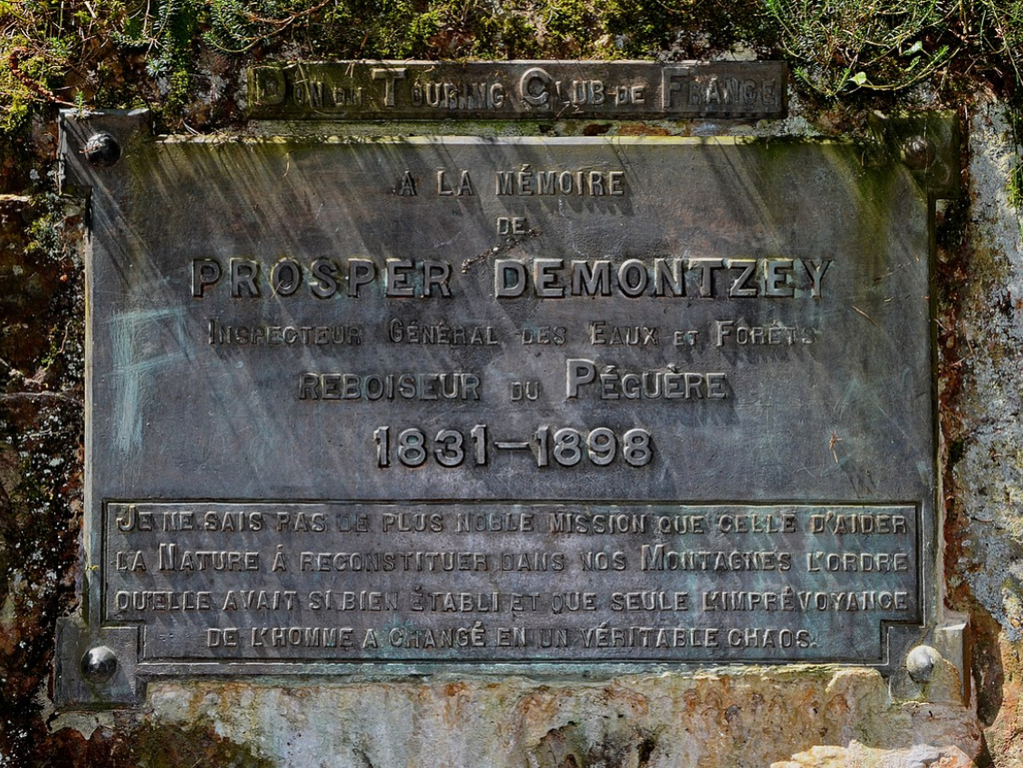
 Il préconise un remède de principe simple, mais qui demande d'énormes travaux : il s’agit de stabiliser le terrain, en combinant le reboisement et la création de pelouses herbeuses étagées, sur des gradins supportés par d’énormes murs en pierre. Pour le reboisement, il préconise la plantation de mélèzes, conifère non endémique mais très solide.
 Ce chantier titanesque durera plus de 10 ans, jusqu’en 1892, créant des murs colossaux, nourris par 7 km de chemin muletier et 14 km de sentiers forestiers.
 Las, devant les risques d’éboulements persistants, il fallut se résoudre à fermer définitivement les thermes de la Raillère en 1997.
