Au gré de vos balades, venez apprécier les sites naturels somptueux, et les villages de caractère des vallées de Gavarnie. Souvent nichés sur des points de vue incroyables, ils vous feront encore mieux savourer la beauté de la Nature, tout en découvrant une histoire riche de plusieurs siècles. Ne partez pas sans les visiter !
1 - L’héritage de Saint-Savin, saint patron de la vallée du Lavedan
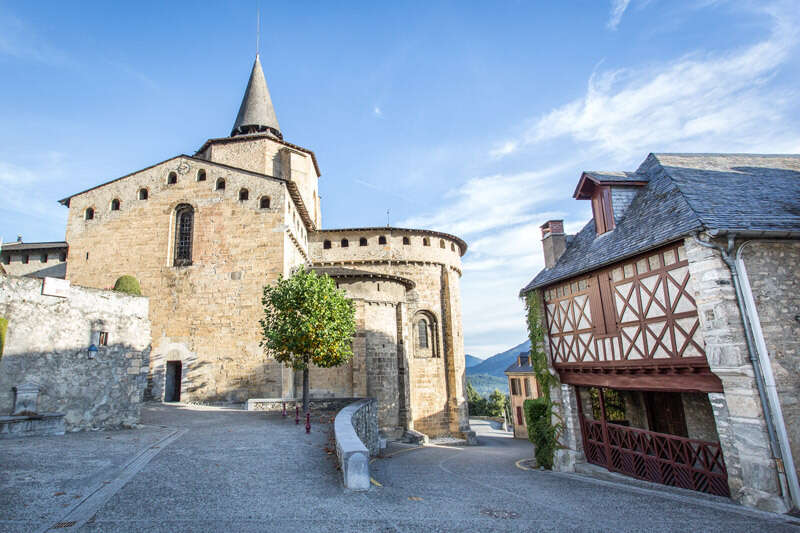 Point de départ de nombreuses balades et randonnées, le village de Saint-Savin à 13 km de Cauterets est un haut lieu du patrimoine pyrénéen. Entouré par les montagnes et forêts du Lavedan, il offre une vue incomparable sur la vallée du Gave de Pau. La place du village vaut le détour à elle seule, avec sa célèbre fontaine et ses maisons à colombages.
L’église du XIIe siècle, en croix latine, de style roman, témoigne de son passé monastique, notamment par le tombeau de Saint Savin (maître-autel), le magnifique orgue, l’un des plus anciens de France, ou encore les statues de la Vierge conservées dans son Musée-Trésor.
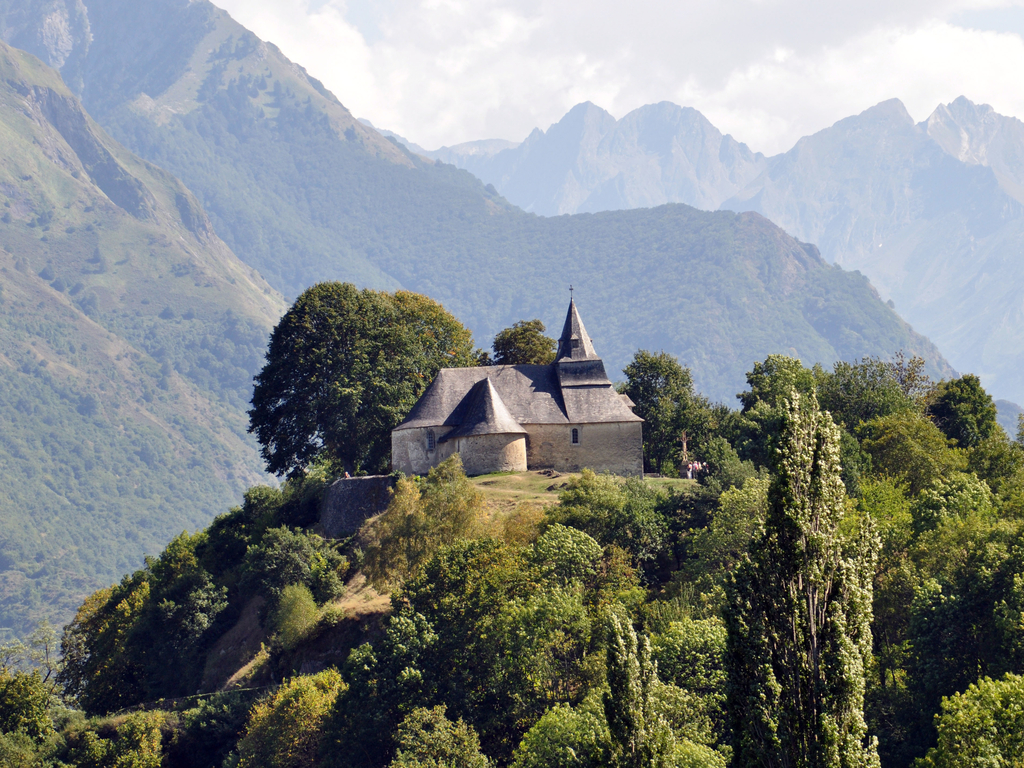 A l’écart du village sur un promontoire rocheux, se trouve la chapelle Notre-Dame de Piétat, érigée sur le lieu où vécut au Ve siècle l’ermite Savin, moine catalan qui eut pour seule demeure un trou creusé dans le rocher. Saint Savin évangélisa la vallée du Lavedan, où il fut l’auteur de plusieurs miracles et devint le saint patron de la vallée.
Construite puis transformée entre le XIe et le XVIIe siècle, la chapelle devint jusqu’à la Révolution Française, le siège de la confrérie de Notre Dame de Piétat. Tombée en ruines, elle fut finalement restaurée au XIXe siècle. Avec Lamarque-Pontacq et Barbazan-Debat, c’est l’une des trois chapelles Notre-Dame-de-Piétat des Hautes-Pyrénées.
Et si vous souhaitez terminer votre visite à Saint Savin sur une touche gastronomique, réservez la table de l'hôtel-restaurant du Viscos, une Maison plus que centenaire où vous accueille la famille Saint-Martin, pour une cuisine raffinée de produits du terroir.
2 - Notre Dame de Pouey-Laün, chapelle dorée gardienne du Val d’Azun
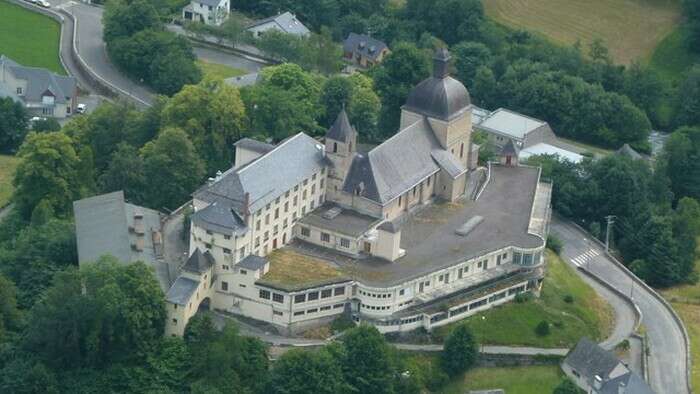 Cette grande chapelle au clocher-dôme surplombe le village Arrens-Marsous, au pied du Col de Soulor. Le Mont de La Source sur laquelle elle est édifiée, à 930m d’altitude, fut le siège d’un oppidum, ancien village romain fortifié.
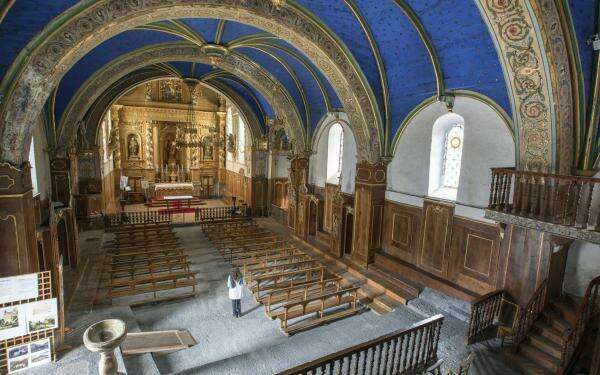
Contrastant avec la rusticité de Saint Savin, la chapelle Notre-Dame de Pouey-Laün est tout en ornements : reliefs sculptés, dorures à l’or fin, voûte bleue étoilée, retable baroque…
 Adjoint à la chapelle, un hospitalet accueillait les pèlerins en route vers le sanctuaire espagnol Notre-Dame del Pilar, à Saragosse, ou vers Saint-Jacques de Compostelle. Il n’en reste aujourd’hui que le linteau de porte au nœud de Salomon portant l’année 1590, que l’on retrouve dans le mur d’enceinte de l’église d’Arrens.
En montant sur le sentier de Pouey-Laün, vous passerez devant la petite chapelle de Saint-Roch, du nom du Saint Patron protecteur et guérisseur des maladies contagieuses. Elle porte un linteau daté de 1753.
Le village d’Arrens-Marsous, autrefois centre de culture du lin et du chanvre, est resté très authentique, avec ses maisons anciennes, lavoirs et fontaines, et vieux ponts de pierre. Ne manquez pas de voir l’église fortifiée Saint-Pierre d’Arrens, avec son enceinte crénelée et son clocher quadrangulaire (inscrite aux Monuments Historiques).
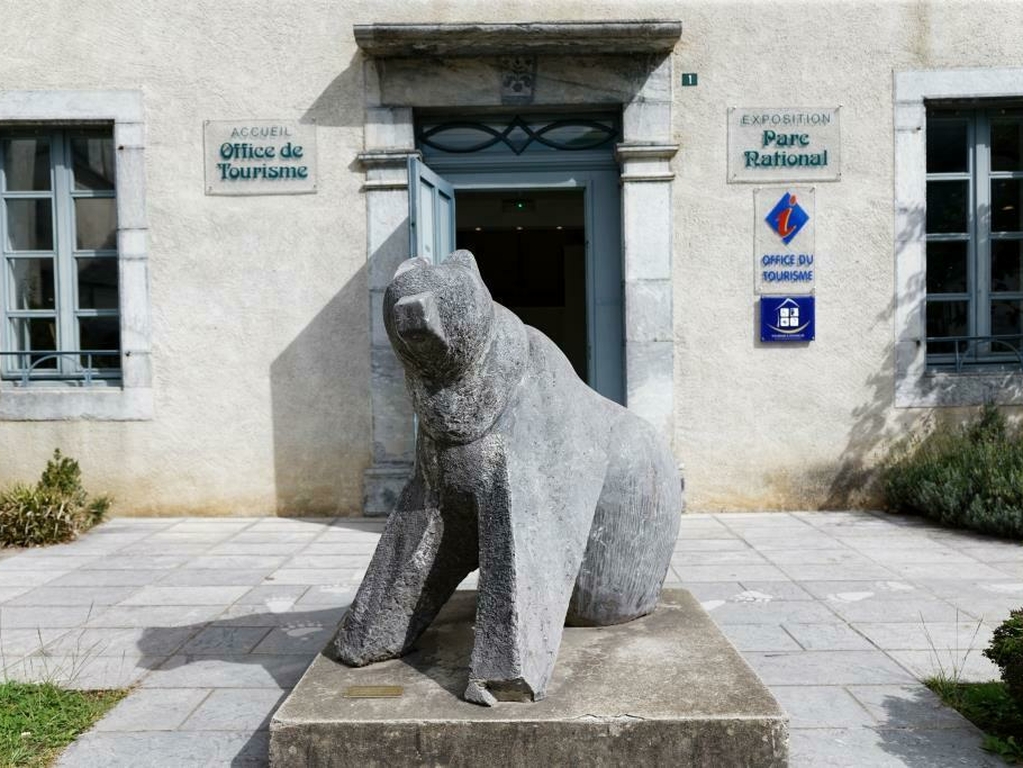 Visitez aussi la Maison de la Vallée et du Parc National, qui accueille une exposition permanente sur la faune et la flore du Parc National, ainsi que sur les activités économiques de ces territoires montagnards, et des œuvres d'artistes et artisans d'art de la région.
Petit clin d’œil : devant la Maison du Val d'Azun trône un grand ours en marbre d’Arudy, qui vous rappellera notre mascotte du Chalet La Source, le petit ours Jean... Et pour cause, il a été sculpté par le même artiste, Jean-Jacques Abdallah, tout comme le saint Martin de Gaillagos, le bélier et taureau d'Arras-en-Lavedan, ou encore l'aigle de Cauterets.
3 - Gavarnie : à la rencontre des Chevaliers de Malte et des Pyrénéistes
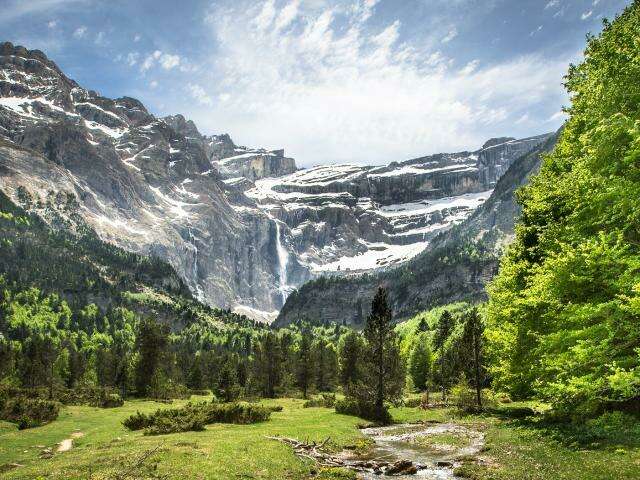 Le cirque de Gavarnie, on ne le présente plus : site unique, classé au Patrimoine Mondial de l’UNESCO au double titre des paysages naturels et culturels, un cirque glaciaire culminant à 3000 mètres d’altitude
En son cœur l’une des plus hautes cascades d’Europe, et la célèbre « brèche de Roland » vers l’Espagne. La légende dit qu'elle fut créée par le chevalier Roland en voulant y briser son épée …
Moins spectaculaire mais chargée d’histoire, l'église Notre-Dame du Bon Port dans le village de Gavarnie est à voir absolument.
Placée sur l'un des itinéraires menant à St-Jacques de Compostelle, ce fut au XIIe siècle un hospice de Templiers ou de chevaliers de Saint-Jean de Jérusalem, destiné à assister les pèlerins et voyageurs passant le port de Boucharo. Agrandie au XIVe siècle, elle prit alors le nom de Notre-Dame du Bon Port. Elle abrite du mobilier du XVe siècle, des statues remarquables et des vestiges d'époque médiévale. Comme un rappel des origines, dans une vitrine au fond de l'église, près du confessionnal, sont exposés les crânes de 12 chevaliers de Malte ou "Templiers"…
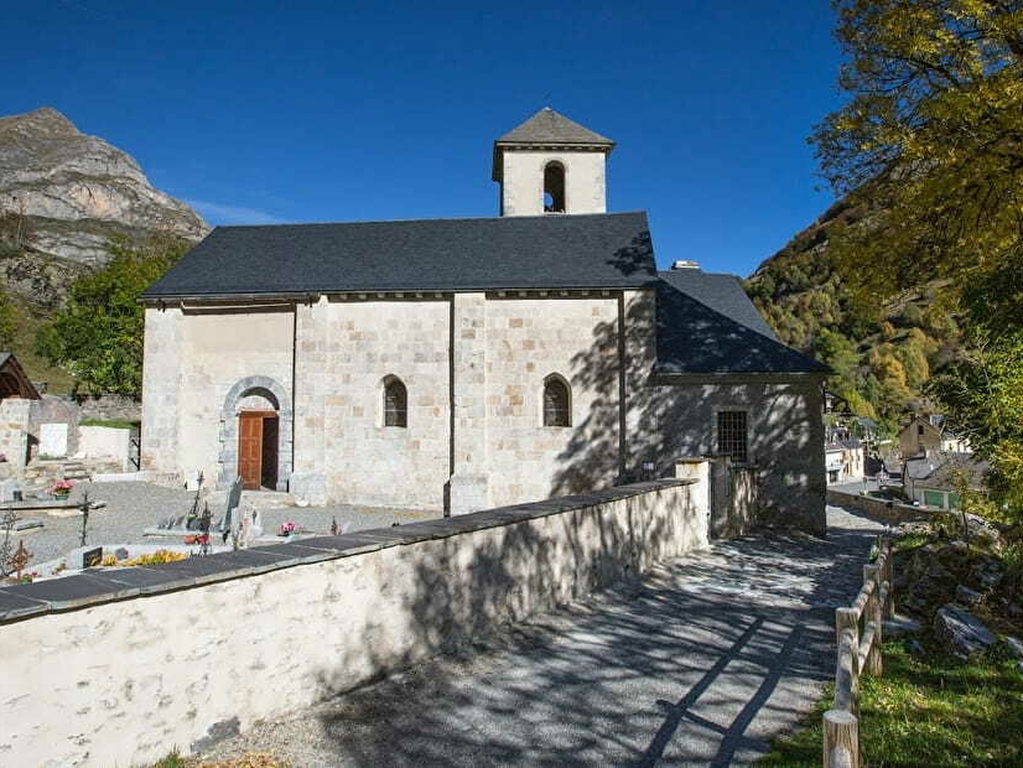 De célèbres Pyrénéistes reposent ou sont honorés par plaques commémoratives, dans le cimetière attenant à l'église. Ecrivains, guides, ascensionistes illustres...
Le Pyrénéisme fut inventé par l’écrivain Henri Beraldi, en 1898 : « L'idéal du pyrénéiste est de savoir à la fois ascensionner, écrire, et sentir. S'il écrit sans monter, il ne peut rien. S'il monte sans écrire, il ne laisse rien. Si, montant, il relate sec, il ne laisse rien qu'un document, qui peut être il est vrai de haut intérêt. Si - chose rare - il monte, écrit et sent, si en un mot il est le peintre d'une nature spéciale, le peintre de la montagne, il laisse un vrai livre, admirable. ».
Une philosophie de la montagne magnifiée ensuite par des grands noms tels que Russel, de Carbonnières, Musset, Maupassant, Baudelaire ou encore Hugo.
Témoin le célèbre poème “Dieu” de Victor Hugo au sujet du Cirque de Gavarnie: « C’est une montagne et une muraille tout à la fois ; c’est l’édifice le plus mystérieux du plus mystérieux des architectes ; c’est le Colosseum de la nature ; c’est Gavarnie ».
4 - Nature et simplicité : la chapelle Saint Justin à Sers
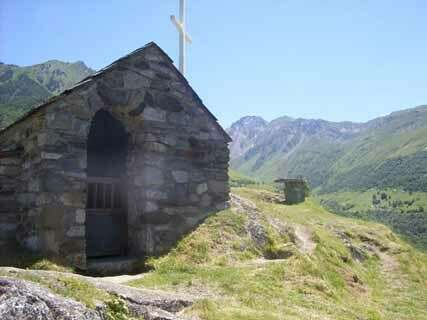 Voici encore un site magnifique de randonnée, avec une vue somptueuse (30 km de Cauterets) : le promontoire qui domine Sers et Barèges, où se trouve l’aire naturelle Saint Justin, à 1300m d'altitude, sur le sentier de grande randonnée GR10. Au sommet d’un chemin qui alterne ombre et soleil, une vue panoramique exceptionnelle - des tables d’orientation donnent toutes les explications - vers Barèges et col du Tourmalet, et vers Sers et la vallée de Luz, vers le Pic du Midi de Bigorre.
C’est sur ce site qu’était situé l'ermitage Saint Justin, premier évangélisateur de la vallée de la Bigorre au IVème siècle. Un prieuré avec sa chapelle y avait été édifié… il n'en reste plus que le bénitier qui se trouve à l'église de Barèges.
L’oratoire fut construit en 1990 en hommage à Justin par des montagnards de la vallée. Une statue de Saint Justin y est installée, ainsi qu’une croix et un autel pour célébrer la messe en extérieur.
Après cette balade, faites une petite halte à la Ferme Saint Justin au sommet, d’où vous pourrez admirer ce panorama en savourant une délicieuse crêpe !
5 - Ambiance médiévale : le Château Sainte-Marie à Esterre
et l’Eglise des Templiers de Luz-Saint-Sauveur
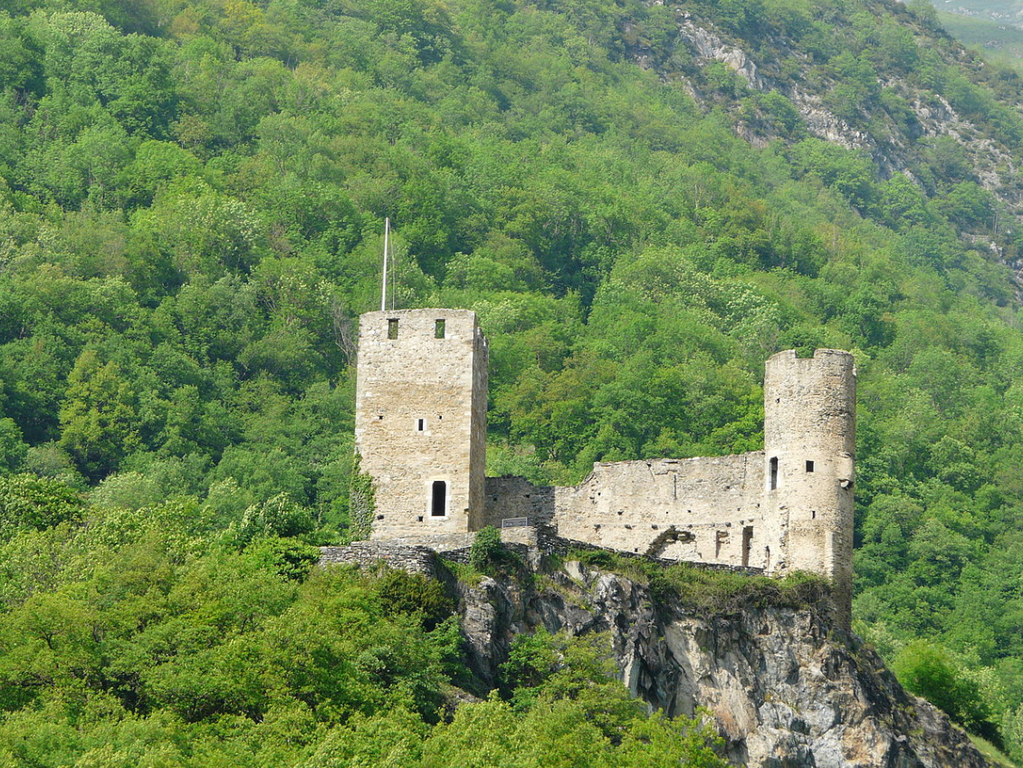 Perché à 630 mètres d'altitude à 25 km de Cauterets, dominant les villages de Luz Saint-Sauveur, Esquièze-Sère et Esterre, le Château Sainte-Marie est un véritable vestige du Moyen Age.
Ancien prieuré de Barège dédié à Sainte-Marie, ce château fut construit au XIe siècle par le comte de Montblanc, seigneur de Bigorre, pour asseoir son autorité auprès des barégeois … et s’y réfugier en cas d’agression par les brigands. Il n’en reste que deux énormes tours de défense, une tour ronde et un donjon carré reliées par une courtine. Son histoire qui traverse la Guerre de Cent Ans, est riche de sièges et batailles au cours desquelles il fut brûlé et partiellement détruit.
On a depuis cet endroit une très belle vue panoramique sur les vallées du gave de Pau et du Bastan. Son accès est libre et se fait à pied depuis les villages d'Esquièze-Sère ou d'Esterre.
Depuis 2019, s’y déroule chaque année début août un événement qui connait un vif succès : les Médiévales d'Esterre. Au programme, tournois de chevaliers et combats à l'épée, danseurs, cracheurs de feu, musiciens et troubadours, taverne et banquet, marché et ateliers médiévaux …. Toute une ambiance !
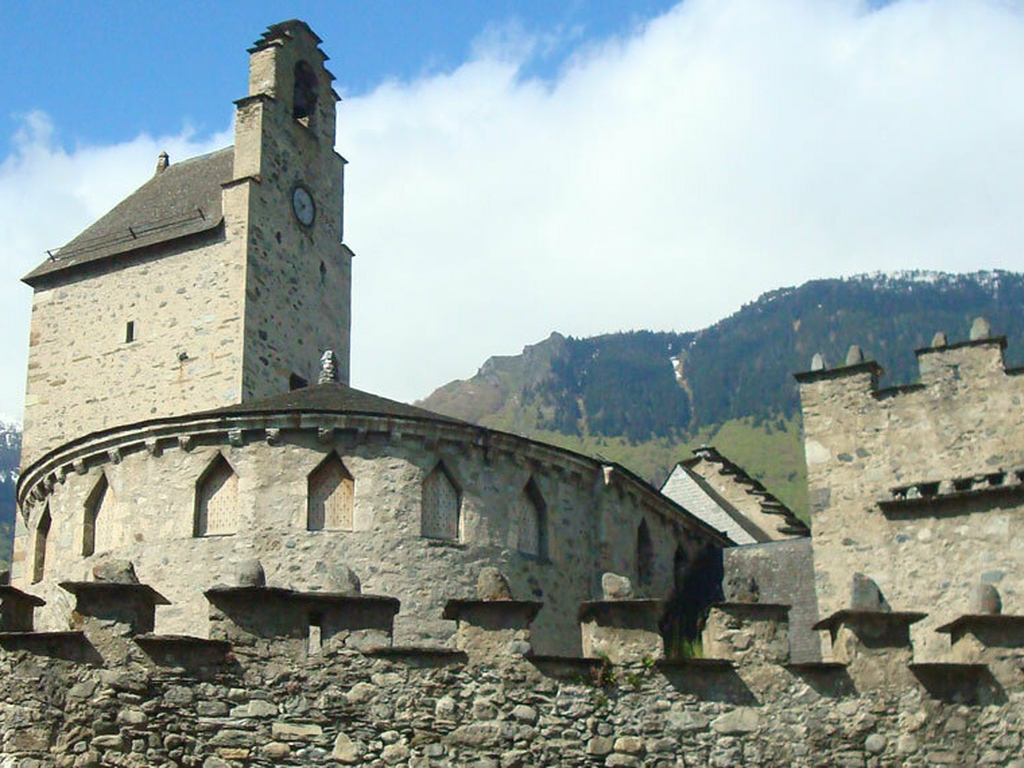 L’église de Luz Saint Sauveur est l’une des plus anciennes de la région, construite au XIe siècle par une riche famille, les Saint André. Les fortifications furent ajoutées 300 ans plus tard par les Hospitaliers de Saint-Jean de Jérusalem, à qui les descendants Saint André donnèrent l’église pour y fonder une hostellerie-hospice.
Comme à Notre-Dame du Bon Port à Gavarnie, et à Notre-Dame d’Héas, cette confrérie y accueillait les pèlerins sur le chemin de Saint Jacques de Compostelle, activité qui dura jusqu’à la révolution de 1789. C’est d’ailleurs à tort qu’on a tendance aujourd’hui à l’appeler « Église des Templiers », un nom qui s’est ancré depuis des années.
Ces hospitaliers qui devinrent plus tard Chevaliers de Malte, entourèrent l’église de murs épais ornées de créneaux et mâchicoulis, qui ne sont pas sans rappeler l’église de Saint-Pierre d’Arrens. La nef et le chevet furent surélevés pour permettre la mise en place d'un chemin de ronde. Un grand fossé avec pont levis entourait même les murs. Le but était de se protéger des bandits aragonais, Les « miquelets ».
A voir à l'intérieur des remparts, la chapelle Notre-Dame-de-la-Pitié qui fut édifiée vers 1650 pour demander à Dieu de mettre fin à une épidémie de peste noire qui a ravageait le pays Toy.
C’est l’un des édifices médiévaux les mieux conservés de la région, une singularité qui a séduit nombre de visiteurs illustres – de l’héritière de Louis XVI à Victor Hugo, en passant par Napoléon III et la Princesse Eugénie – comme en témoigne le musée attenant.
Depuis Luz-Saint-Sauveur, une balade magnifique entre sites chargés d’histoire consiste à rejoindre le Château Sainte-Marie visible depuis le village, en suivant le GR10 sur une boucle facile (2h30).
Plus longue (4h30) pour les amoureux des vieilles pierres, la « balade des églises », vous fera passer par les églises d’Esquièze, Saint-Julien de Sazos, Saint Jean Baptiste d’Esquièze-Sère, Saint Nicolas à Esquièze-Sère, Saint Michel de Vizos et enfin Saints Pierre et Paul de Saligos, toutes édifiées entre le XIe et le XIIIe siècle.
6 - Sur les pas de Napoléon, à Luz-Saint-Sauveur
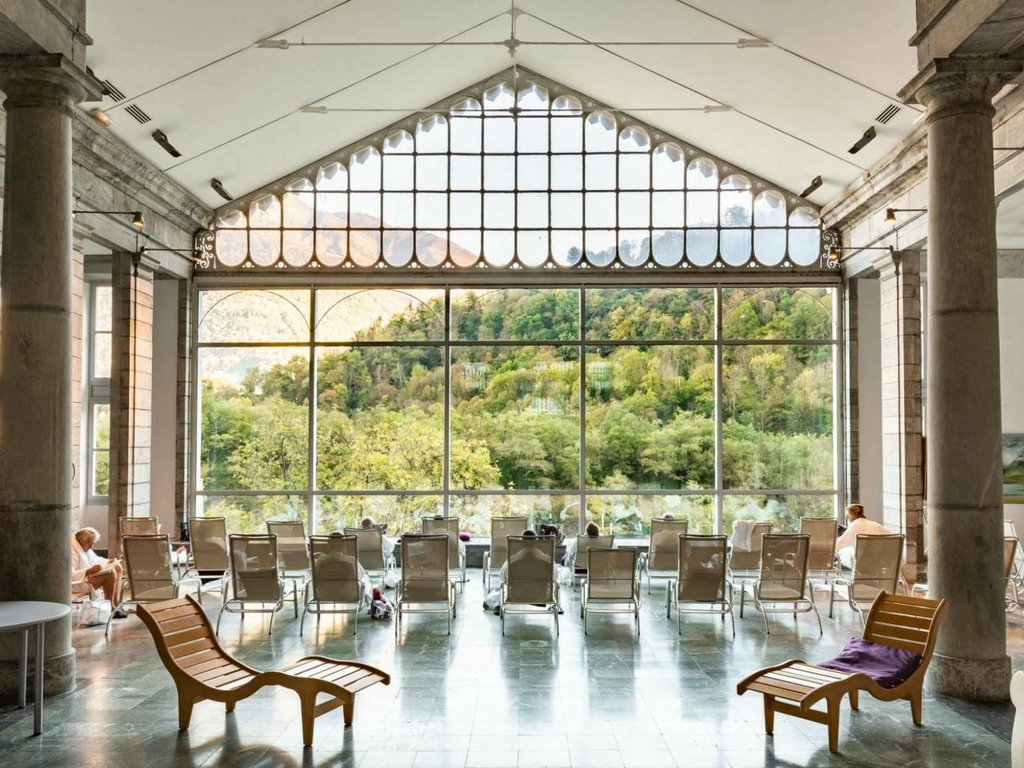 Napoléon III et son épouse la princesse Eugénie passèrent un mois à Luz-Saint-Sauveur à l’été 1859, afin d’y prendre les eaux – la princesse étant affaiblie depuis la naissance de Louis Napoléon trois ans plus tôt.
C’était aussi une démonstration de pouvoir sur ce territoire loin de Paris, où l’empereur lança d’importants projets et tient même un Conseil des Ministres, à la maison Gradet-Poque, aujourd'hui la mairie.
Napoléon ordonna d’abord l’aménagement des thermes, dont l’agencement à colonnes et galeries desservant les cabines perdure aujourd’hui.
Aussi court fût-il, ce séjour fit connaître à la région de Luz un essor architectural et économique incroyable, grâce au prestige, aux moyens financiers déployés et l'afflux de voyageurs qui s’en suivit.
L'histoire raconte que la cure thermale fut bénéfique à l'impératrice et que c’est en remerciement que Napoléon III décida un vaste programme de travaux. La liste est longue : la chapelle dite Chapelle Impériale – dans Saint Sauveur, la chapelle de Solférino sur les ruines d'un ancien ermitage – baptisée du nom de la victoire sur les prussiens quelques mois plutôt, qui a poussé Henry Dunant à fonder la Croix Rouge – mais aussi de nombreux établissements médicaux, le chemin de fer Lourdes- Pierrefitte-Nestalas, et enfin le plus spectaculaire : le pont Napoléon, inauguré en 1861.
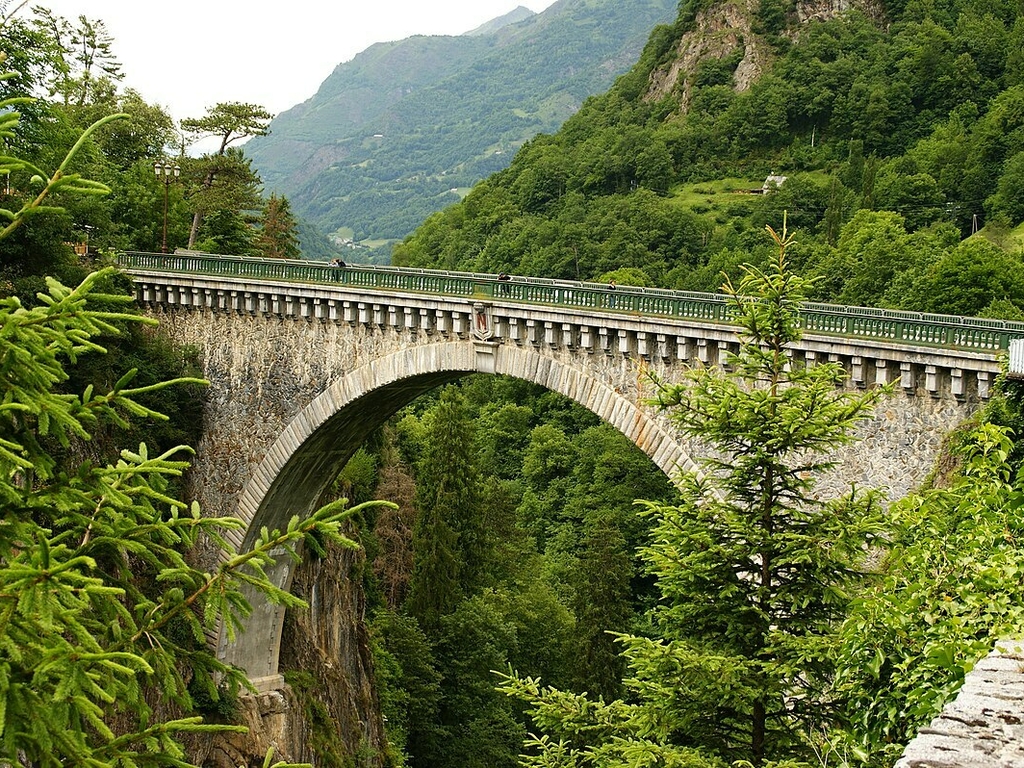 L'Empereur lui-même aurait désigné l’emplacement du pont qui porte son nom. Ce pont, qui permit de désenclaver la station thermale et d'établir une liaison carrossable avec Gavarnie, fut un chantier gigantesque : un tablier de 68 mètres, une voie de 4 mètres de largeur à 63 mètres au-dessus du Gave !
En reconnaissance à leur bienfaiteur, les habitants de Luz érigèrent une colonne en pierre de Lourdes surmontée d'un aigle de marbre, à l'extrémité du Pont Napoléon.
Le Pont Napoléon est aujourd’hui le rendez-vous des amateurs de sensations fortes : saut à l’élastique, via-ferrata et tyroliennes démesurées … un vrai centre d’attraction pour qui a le cœur bien accroché !
Pour revivre cette période incroyable au gré des sites historiques autour de Luz, suivez le circuit balisé « Napoléon et Eugénie ». La promenade débute à la mairie, à la Maison Gradet-Poque qui abritait le Conseil des ministres de Napoléon, passe dans le quartier thermal de Saint-Sauveur, puis le pont Napoléon et enfin la chapelle Solférino sur le promontoire qui domine le bourg de Luz.
7 - Argeles-Gazost : des châteaux médievaux aux belles villas thermales
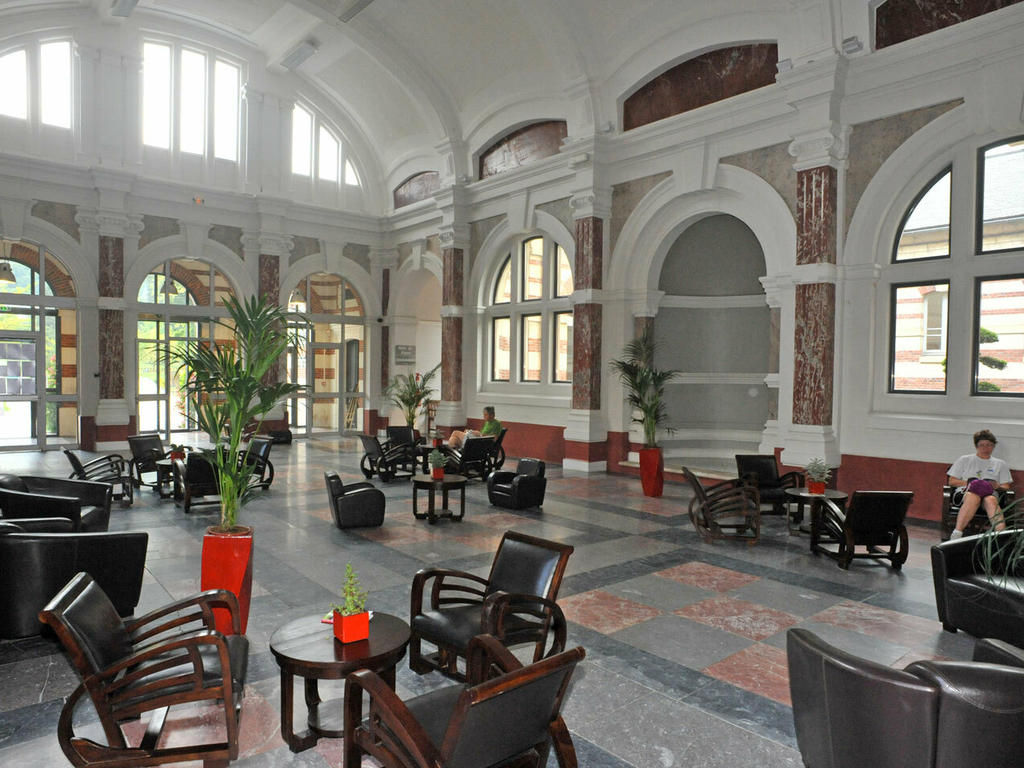 En Lavedan, au confluent des Gaves de Pau et d'Azun, Argelès est un village ancien comme en témoignent ses vestiges médiévaux et ses étroites ruelles. Comme Cauterets et Barèges, Argelès a aussi beaucoup bénéficié de l’essor du thermalisme à la fin du XIXe siècle, grâce à la mise en place d’un aqueduc pour acheminer les eaux depuis Gazost – d’où la fusion en un seul nom.
Des personnalités célèbres vinrent fréquenter ce lieu, Victor Hugo, Émile Zola, l’impératrice d’Autriche. François Mauriac en fit même le décor de son roman « Le fleuve de feu ».
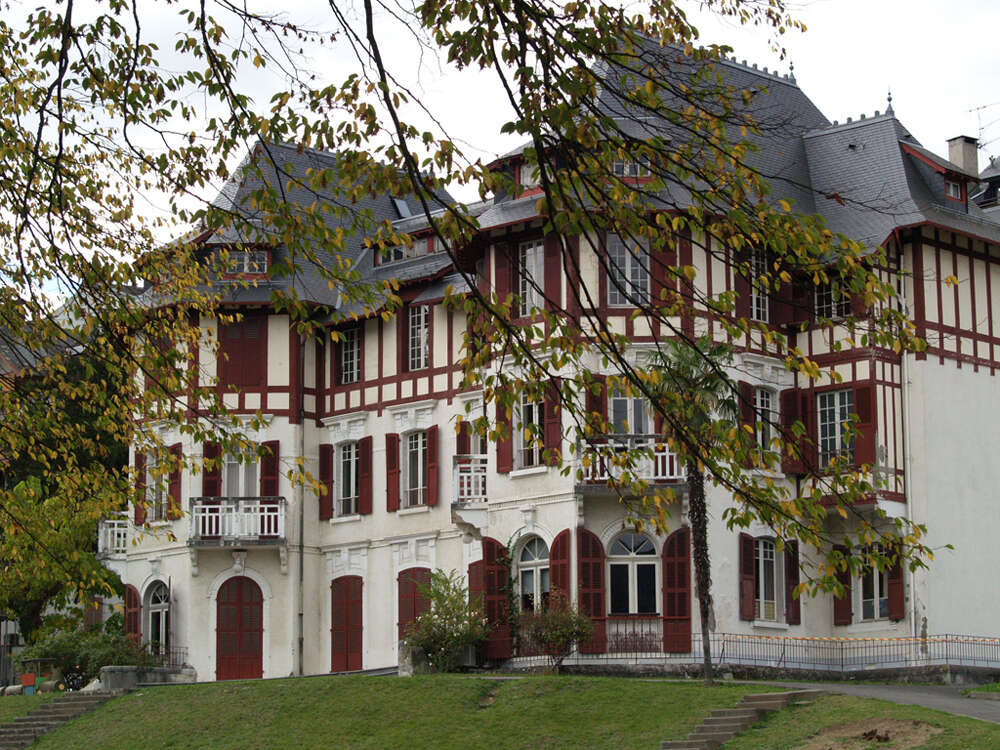 Outre les magnifiques établissements thermaux, la ville s’enrichit alors de nombreuses belles maisons de maître, qui complètent aujourd’hui les châteaux anciens, et font d’Argelès-Gazost un trésor architectural où il fait bon déambuler depuis la « grande terrasse » au panorama magnifique.
A proximité d'Argeles, ne manquez pas de visiter et lire l’histoire de quelques sites pittoresques, comme le château d’Ourout, la Tour de Vieuzac, la Tour de Vidalos, sans oublier le Donjon des Aigles (Beaucens) et son incomparable spectacle de rapaces.
8 - Un peu plus près des étoiles…. le Pic du Midi
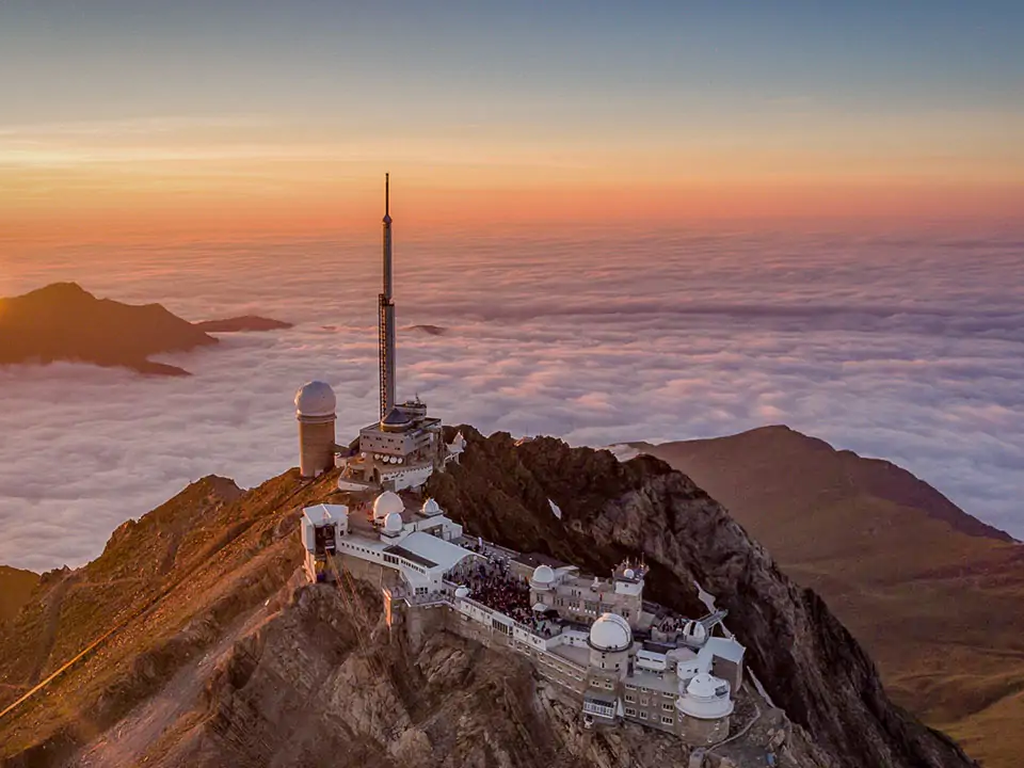 On ne peut pas séjourner dans la région sans visiter ce site légendaire, classé Grand Site d’Occitanie !
Situé à 45 km à l’est de Cauterets, masqué par le versant oriental de la vallée, le Pic-du-Midi-de-Bigorre culmine à 2877m, dépassé seulement par le Vignemale (3298 m) et l’Aneto côté espagnol (3404 m), situés à une vingtaine de km plus au sud.
Pourquoi ce nom ? selon une tradition alpine, les sommets situés au sud de leur principal point d'observation sont baptisés du nom de « midi ». Et comme il y a un autre Pic du Midi (d'Ossau), il fallait bien distinguer l’un et l’autre…
Lieu mythique depuis l'Antiquité - sorte de panthéon naturel gigantesque, formant avec Gavarnie le tombeau de Pyrène – ce pic est surtout connu depuis le XVIIIe siècle pour comme lieu d'études astronomiques et atmosphériques. La construction de l'observatoire débuta en 1870 sous la houlette du général Charles du Bois de Nansouty et l'ingénieur Célestin-Xavier Vaussenat. Un premier télescope fut installé en 1907 : relativement petit (50 cm de diamètre), c’était néanmoins l'un des plus grands de l’époque et il permit notamment en 1909 de démentir l'existence de canaux sur Mars. Dès lors, cet observatoire prit une renommée internationale et ne cessa d’être agrandi et perfectionné.
 Le site, dont l’accès fut facilité par l’installation d’un téléphérique en 1952, resta longtemps réservé aux seuls scientifiques. Il fallut attendre l’année 2000 pour qu’un nouveau téléphérique soit ouvert au public. Depuis, l’offre touristique s’est étoffée, avec de nombreuses animations et explications historiques, un planétarium, un musée.
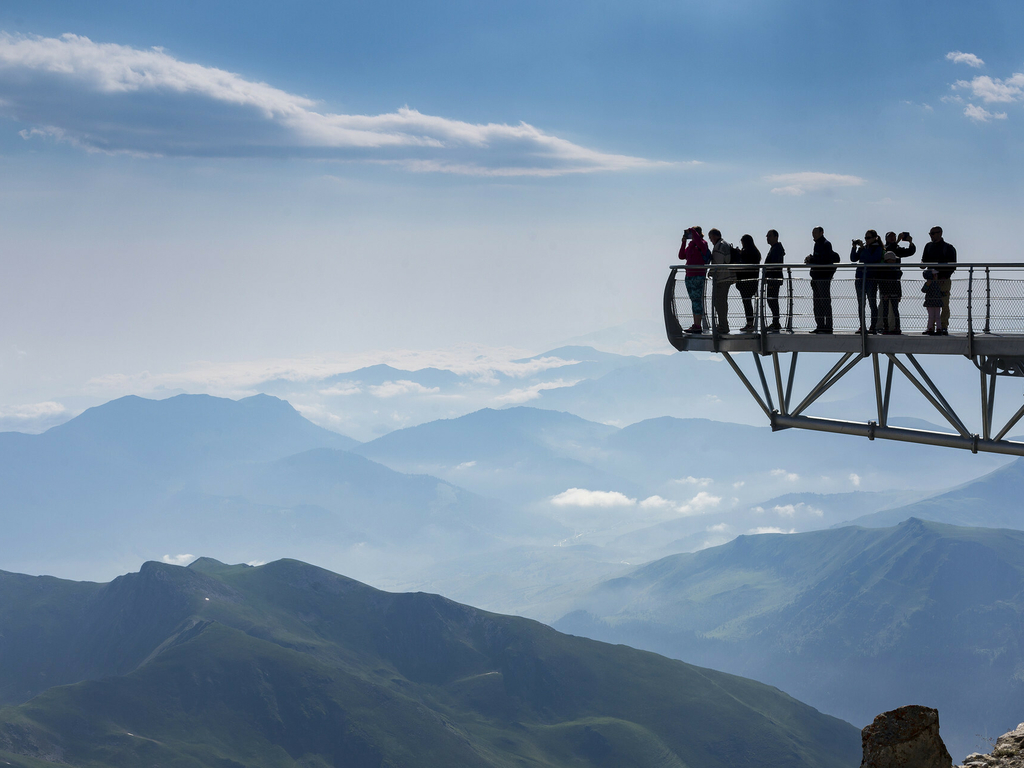
Le plus incroyable est le fameux « Ponton du ciel », une passerelle suspendue au-dessus du vide offrant une vision à 360° des sommets pyrénéens et de leur firmament, en immersion dans la Voie Lactée.
Depuis 2013, le site est même labellisé (depuis 2013) Première Réserve Internationale de Ciel Etoilé !
On peut s’y rendre à pied par le célèbre sentier des porteurs du Pic-du-Midi qui démarre au Tourmalet juste après le hameau d’Artigues, sur la commune de Campan. Compter 4h30 pour atteindre le sommet – ce qui est beaucoup moins qu’aux débuts de l’histoire du site, où il fallait 7 heures au minimum !
Mais le plus simple reste bien sûr, le téléphérique depuis La Mongie (altitude 1785 m), d’où on atteint l’observatoire en 15 mn. Entre ciel et terre, l’ascension est vraiment spectaculaire, en deux étapes avec une halte et un changement de cabine, à 2341 m au sommet du Taoulet.
Attention, le téléphérique est déconseillé aux personnes sensibles aux risques de l’altitude, en particulier les enfants de moins de 3 ans dont les tympans pourraient souffrir de la montée rapide sur un tel dénivelé (plus de 1000m). Munissez vous aussi de crème solaire et lunettes de soleil, là-haut le rayonnement est trois fois supérieur à celui du niveau de la mer !
En montant, vous pourrez apprécier de nombreux points remarquables tels que le col du Tourmalet, Le Cirque de Gavarnie, le Lac d’Oncet. Là-haut, vous attendent 600m² de terrasse, et un panorama à couper le souffle jusqu’aux contreforts du Massif Central. Une expérience magique !
N'hésitez pas à prendre contact avec le Chalet La Source pour organiser votre séjour, et prendre le temps de profiter de toutes ces merveilles !


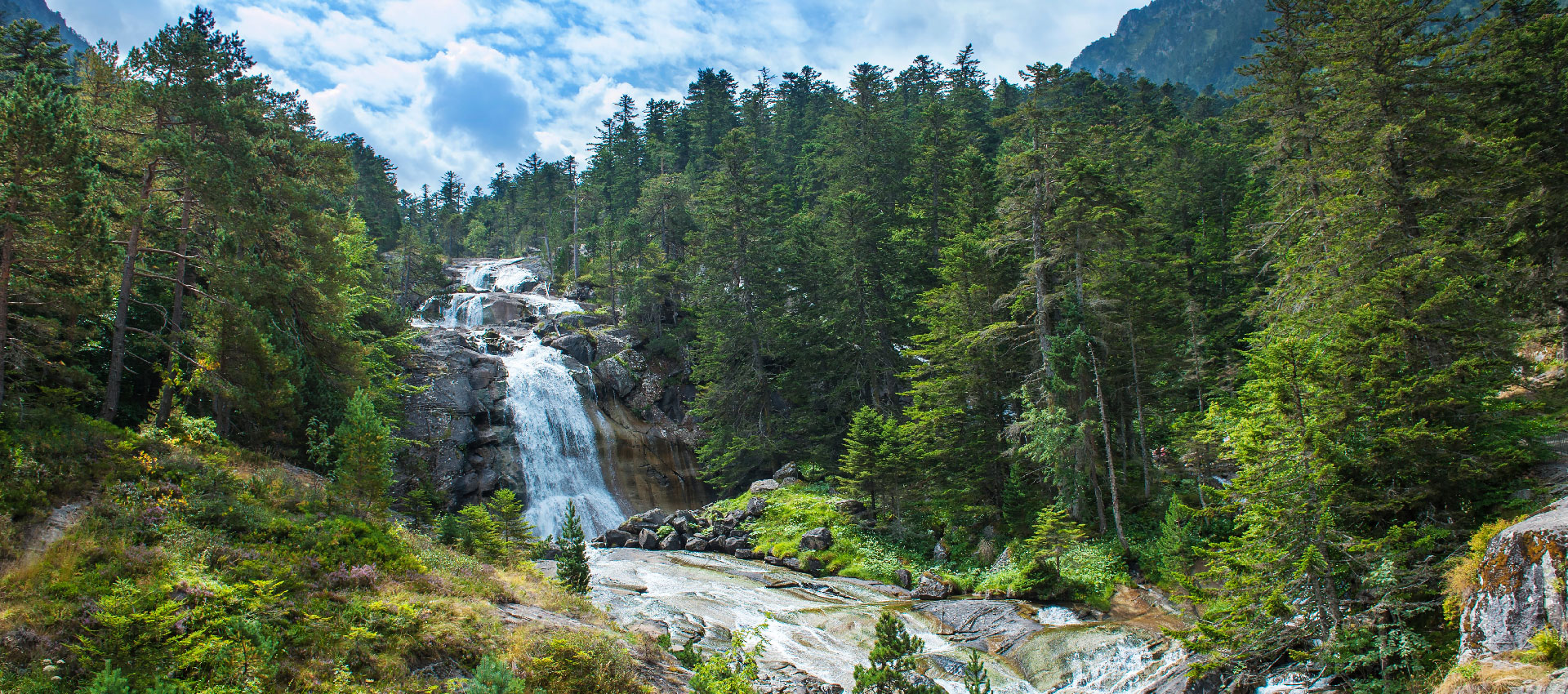

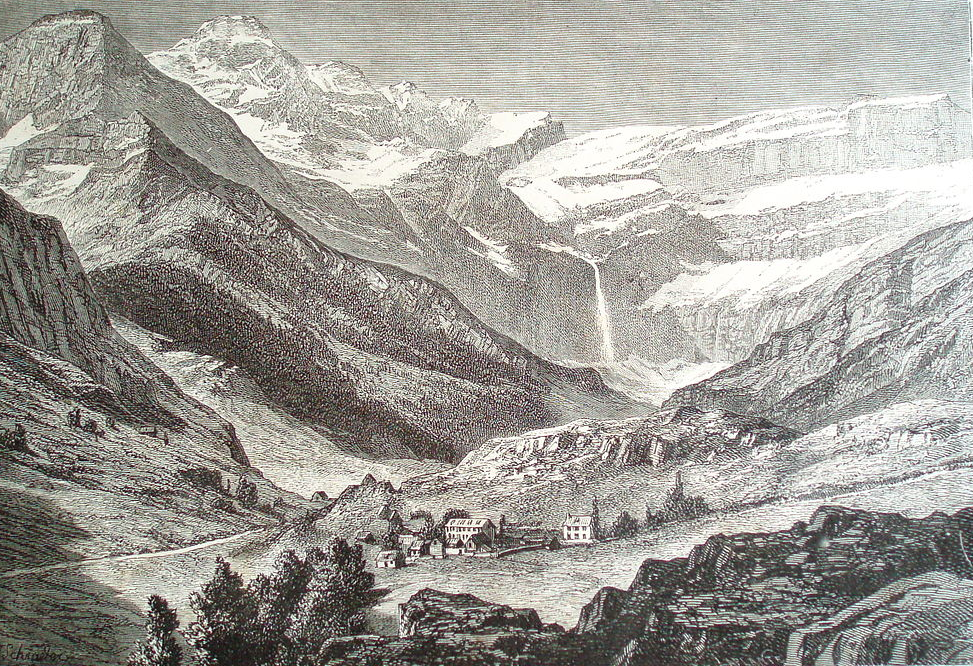 En été 1843, au cours de son “Voyage aux Pyrénées”, Victor Hugo découvre le Cirque de Gavarnie.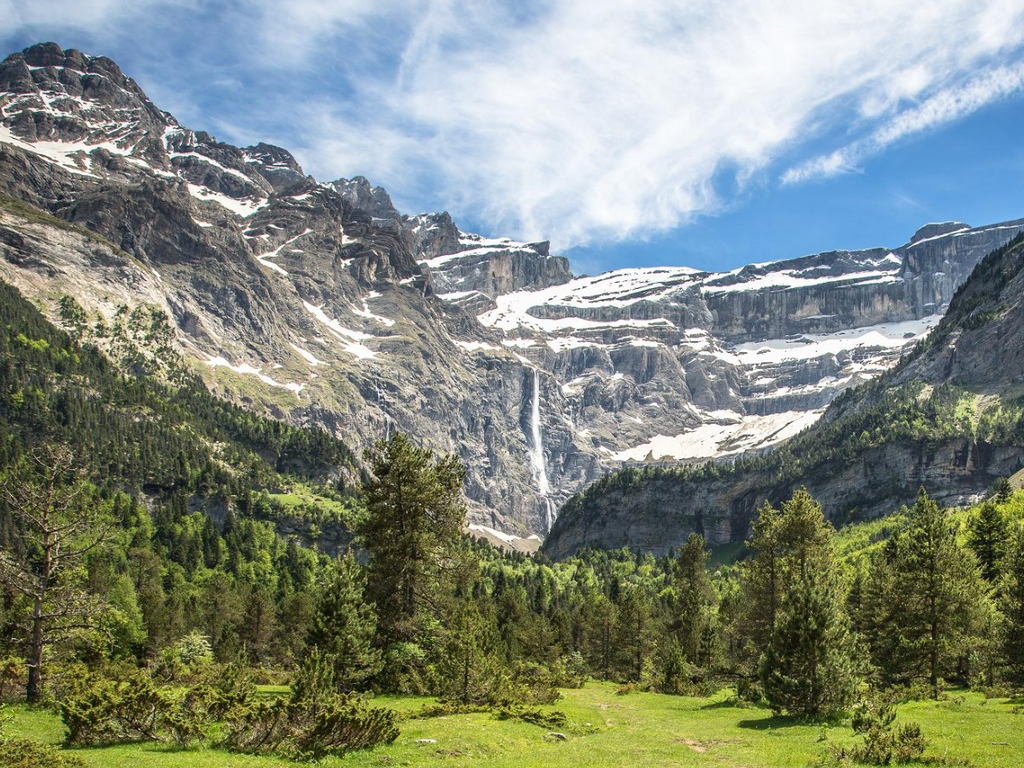

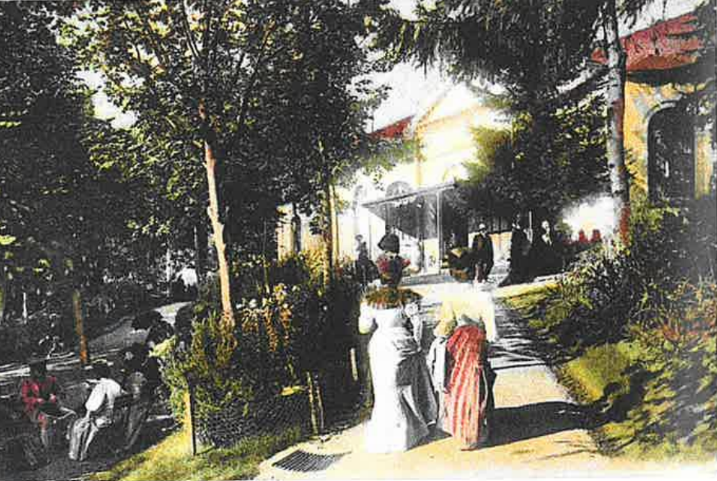 Le village de Cauterets est le témoin bien vivant de la Belle Epoque, en cette fin du XIXème siècle où le tout-Paris venait « prendre les eaux »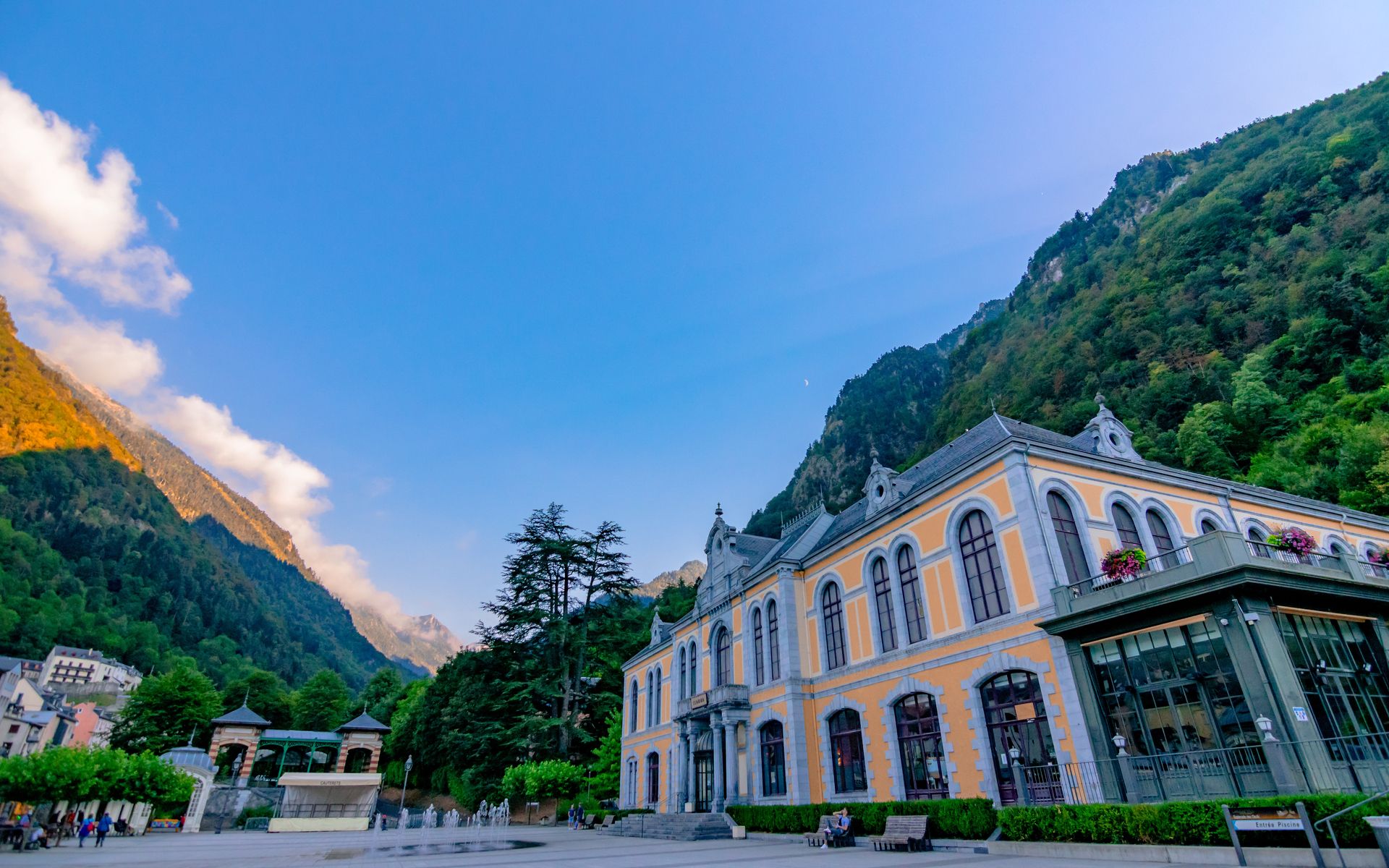
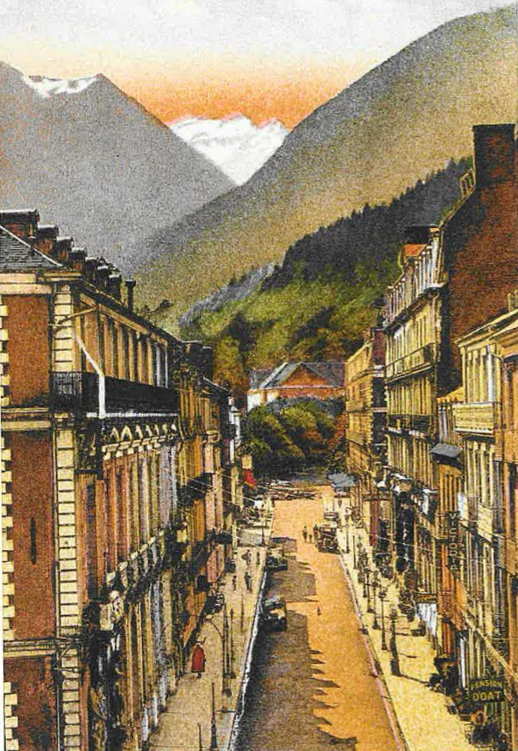
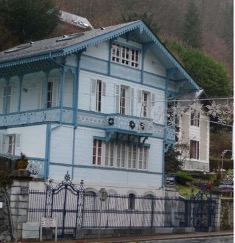 Juste à proximité de l’Esplanade, dans le virage qui monte au Pont d’Espagne, votre attention est attirée par un étrange chalet bleu, d’inspiration slave, au charme fou bien qu’étrange dans un village pyrénéen !
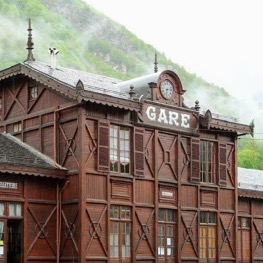 Cette construction qui est l’une des plus anciennes de la ville, est très étonnante par son allure montagnarde atypique façon décor de western.